Dahab diving: the Blue Hole, the Canyon and the best shore dives
Dahab diving is mostly shore diving. You ride to the site in a pickup truck, walk in from the rocks and swim out over the reef. The famous sites are the Blue Hole, the Canyon, Eel Garden and the Lighthouse in town. The Blue Hole rim is a fine recreational dive. The Arch below it, at around 55 metres, is a technical dive that has killed many divers, and you should leave it alone. Dahab is also a cheap place to learn and one of the main freediving centres anywhere.
Why dive in Dahab?
Dahab is a small town on the Gulf of Aqaba, about an hour and a half north of Sharm el-Sheikh. It grew up around diving, and the reef starts a few steps from the shore.
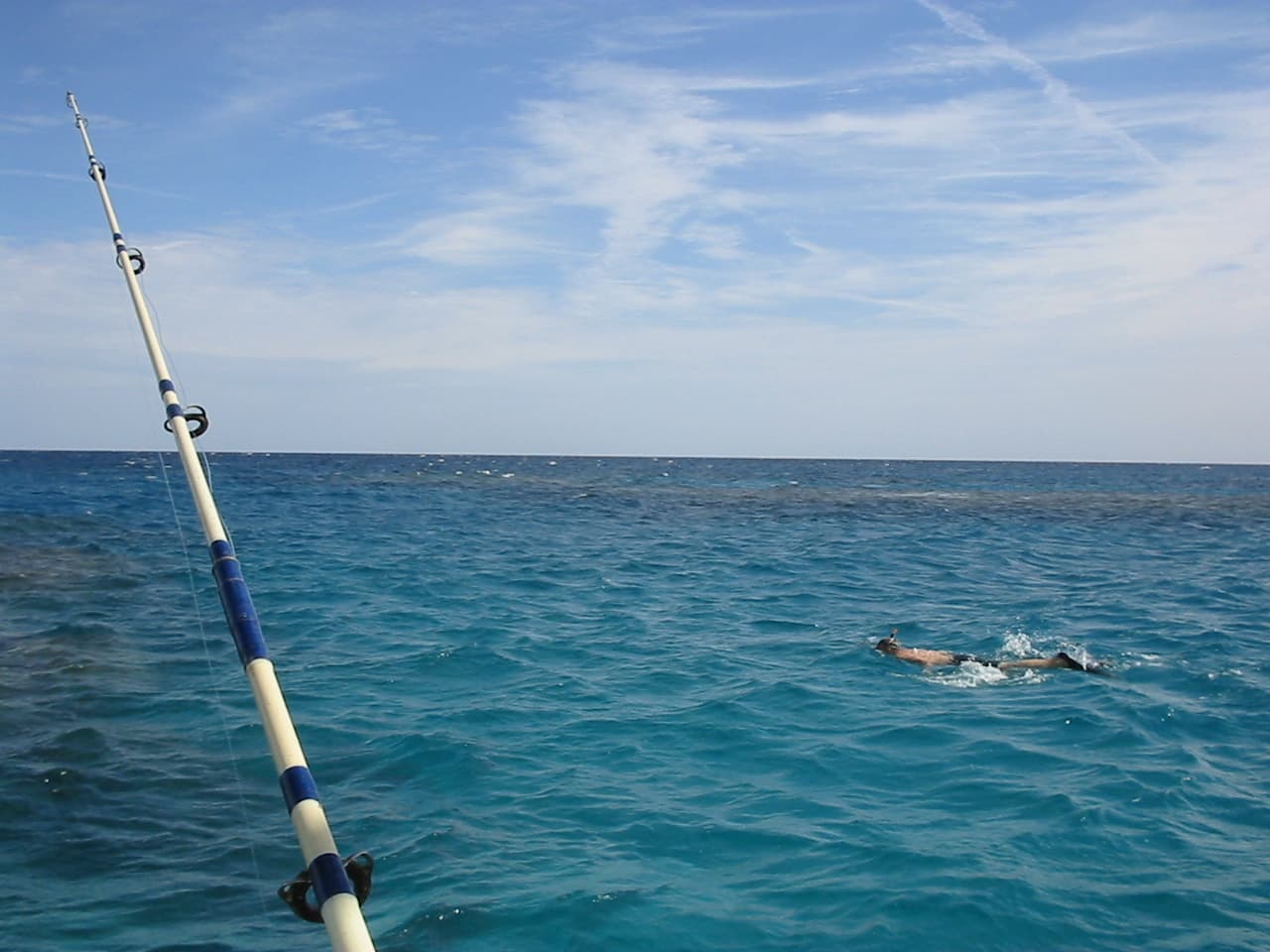
That shapes the whole trip. Most dives need no boat. A pickup truck takes you and your tanks to the site, and you walk in. You can do two or three dives a day without long boat rides.
The town is also relaxed and cheap compared with the big resorts. Dive centres line the seafront, and many divers stay a week or more.
The Blue Hole in Dahab: what is safe and what is not
The Blue Hole is a sinkhole roughly 100 metres deep, a short drive north of town. A shallow reef separates it from the open sea. It is the most famous dive site in Egypt, and the most misunderstood.
The recreational dive is good. Most people enter at a nearby point called the Bells, drop through a short chimney in the reef, then follow the wall back into the hole at a safe depth. Snorkellers stay over the shallow rim.
The danger is the Arch. It is a tunnel through the reef wall at around 55 metres, linking the hole to open water. PADI puts the deepest recreational limit at 40 metres, with a Deep Diver card. The Arch sits beyond that, in technical diving.
At that depth, nitrogen narcosis clouds your judgement. Divers who tried the Arch on standard training and standard gas have died there. Memorial plaques stand on the rocks above the site.
No official death count is published. Figures in the press range widely, so we do not repeat one. What matters is simple: if you are a recreational diver, the Arch is not for you. A good dive centre will not take you through it.
The best dive sites in Dahab
The Canyon is a narrow crack in the reef that you can swim into. Good buoyancy control matters here, because the walls are close on both sides.
The Islands is a maze of coral heads in shallow water. It is easy to get lost in a pleasant way, so stay close to your guide.
Eel Garden is named for its field of garden eels, which poke out of the sand and pull back as you approach. It also works well for snorkelling.
The Lighthouse is right in town. Most training dives happen here because the entry is easy and the water is calm.
The Blue Hole rim and the Bells complete the usual list. Your dive centre will choose sites based on your level and the wind on the day.
Diving certification levels and depth limits
Your card sets how deep you should go. PADI says Open Water divers are trained to 18 metres. Advanced Open Water divers are trained to 30 metres. The Deep Diver course takes you to 40 metres, the recreational limit.
Other agencies use similar levels. Local rules can be stricter than your card, so ask your dive centre which limits it works to.
If you have no card, Dahab is a sensible place to start. Courses here are among the cheaper ones in the world, and the Lighthouse gives you calm, shallow water to learn in.
If you already dive, add skills that make you better at the diving you do. Buoyancy, navigation and nitrox are all useful here. A deep course bought in a hurry because of the Blue Hole story is a poor reason to go deeper.
Freediving in Dahab
Dahab is one of the main freediving centres in the world. The Blue Hole gives deep, sheltered water with little current, close to ideal for depth training.
Freedivers often come for weeks, take a course and train daily. Always freedive with a trained buddy or instructor watching from the surface. Never freedive alone.
When is the best time for diving in Dahab?
You can dive all year. Spring and autumn, roughly March to May and October to November, give warm water and comfortable air.
Summer brings the warmest water, and a shortie wetsuit is enough. Winter water drops to the low twenties Celsius around February and March, so most people want a 5 mm suit and maybe a hood.
The wind picks up most afternoons. It can stir up the more exposed sites, so morning dives are often calmer.
How to choose a dive centre in Dahab
Ask what the price includes. Kit hire, the pickup ride and the number of dives are often counted separately.
Buy dive insurance before you go. Many travel policies exclude diving or stop at a shallow depth. Ask the centre where the nearest recompression chamber is and how you would get there. A centre that answers clearly has thought about it.
Look for small groups and a proper briefing before each dive. Pack reef shoes too, because the shore is coral and stone, not sand.
Getting to Dahab, and how it fits an Egypt trip
Most people fly into Sharm el-Sheikh and drive about an hour and a half north. Dahab has no airport with scheduled flights.
Some nationalities can get a free Sinai-only permit at Sharm airport. It covers Sharm, Dahab, Nuweiba and Taba only. If you also want Cairo, Luxor or Aswan, get the full visa before you fly.
For safety in Sinai, read the current advice from the US State Department and the UK Foreign Office before you book. Tell your insurer where you are going.
We sell the tours of one Egyptian operator, Memphis Tours. None of its set itineraries includes Dahab. Send a request if you want a few diving days added to a Nile trip, and we will tell you what is possible.
Common questions
Is Dahab good for diving?+
Yes. It is one of the easiest places in Egypt to dive, because the reef starts at the shore and most sites need no boat. It suits beginners and experienced divers alike.
Is the Blue Hole in Dahab safe to dive?+
The shallow rim and the Bells entry are ordinary recreational dives. The Arch, at around 55 metres, is a technical dive beyond recreational limits, and divers have died attempting it. Stay within your training.
How deep is the Blue Hole?+
Roughly 100 metres. The Arch that links it to the open sea starts at around 55 metres.
Can beginners dive in Dahab?+
Yes. The Lighthouse in town is calm and shallow, and most training dives happen there. Dahab is one of the cheaper places in the world to get certified.
Do I need a certification to dive in Dahab?+
No for a guided try dive or a course. Yes for fun dives. Open Water divers are trained to 18 metres and Advanced divers to 30 metres, according to PADI.
Can you snorkel in Dahab?+
Yes. The Blue Hole rim, Eel Garden and the Lighthouse are all good from the surface. Wear reef shoes for the rocky entries.
What wetsuit do I need in Dahab?+
A shortie in summer. In winter, when water drops to the low twenties Celsius, most people use a 5 mm suit.
How do I get from Sharm el-Sheikh to Dahab?+
By road, about an hour and a half north. Private transfers and public buses both run the coast road.
Official sources
Entry rules, opening hours, security advice and exchange rates all move. Check them at the source, not here.
Written and checked by the Nile Trip Guide editorial team · Last reviewed . Entry rules, prices and opening hours change — check anything critical against the official sources linked on this page.
Plan this trip
Tell us your dates and we will price it
A real itinerary with real prices, usually within 24 hours. Nothing is booked and nothing is charged until you say yes.
The route most people take first, at the length it was built for: Giza and the Grand Egyptian Museum, then a flight to Luxor and four nights sailing down to Aswan.
No boat on this one. Giza and the Grand Egyptian Museum, a night in Luxor for both banks, two nights on the Red Sea, then back to Cairo for the Citadel, Coptic Cairo and the Royal Mummies.
Five nights in Cairo either side of a four-night sail from Luxor to Aswan. The Cairo days are private, just your party and a guide; the sightseeing off the boat is shared with a small group.