Things to do in Dahab: the Blue Hole, shore dives, Mount Sinai and more
The top things to do in Dahab are diving and snorkelling straight from the shore. Start with the Blue Hole and the Lighthouse reef. Then take a boat to Ras Abu Galum, try freediving or windsurfing, and do one night climb of Mount Sinai. Dahab is a small, slow town on the Gulf of Aqaba, about an hour and a half north of Sharm el-Sheikh. It has very few sights of its own. The reef and the desert behind it are the reasons to go.
What is Dahab like?
Dahab grew from a Bedouin fishing settlement into a divers' town. It is low-rise and walkable, with a seafront strip of cafes, dive centres and small hotels. There are no big resorts and almost no all-inclusive hotels.
Most people fly into Sharm el-Sheikh and drive about an hour and a half north. Dahab has no airport with scheduled flights. Plan on three or four nights at least, and a week if you dive.
Dive or snorkel the Blue Hole
The Blue Hole is a sinkhole in the reef, a short drive north of town and roughly 100 metres deep. Most people reach it on a pickup ride booked through a dive centre.
Recreational divers usually enter at a nearby point called the Bells and swim the reef wall back into the hole. Snorkellers stay over the shallow reef rim, which is a good swim in its own right.
The site has a deadly reputation because of the Arch, a tunnel through the reef at around 55 metres. That is a technical dive, well beyond recreational limits. Memorial plaques stand on the rocks above. Keep to the depth your training covers.
Shore dive the Lighthouse, Eel Garden and the Canyon
Shore diving is what makes Dahab different. The reef starts close to the beach, so you walk in from the shore with no boat and no schedule. Two or three dives a day is normal.
The Lighthouse is right in town, and most training dives happen there. Eel Garden, to the north, has a sandy slope full of garden eels. The Canyon is a narrow crack in the reef, and the Islands are a maze of coral. Dahab is also one of the cheaper places in the world to learn to dive.
Choose a dive centre with care. Ask how many divers each guide takes, whether they run a check dive, and whether they ask to see your logbook. Buy insurance that covers diving to the depth you plan.
Snorkel the Three Pools
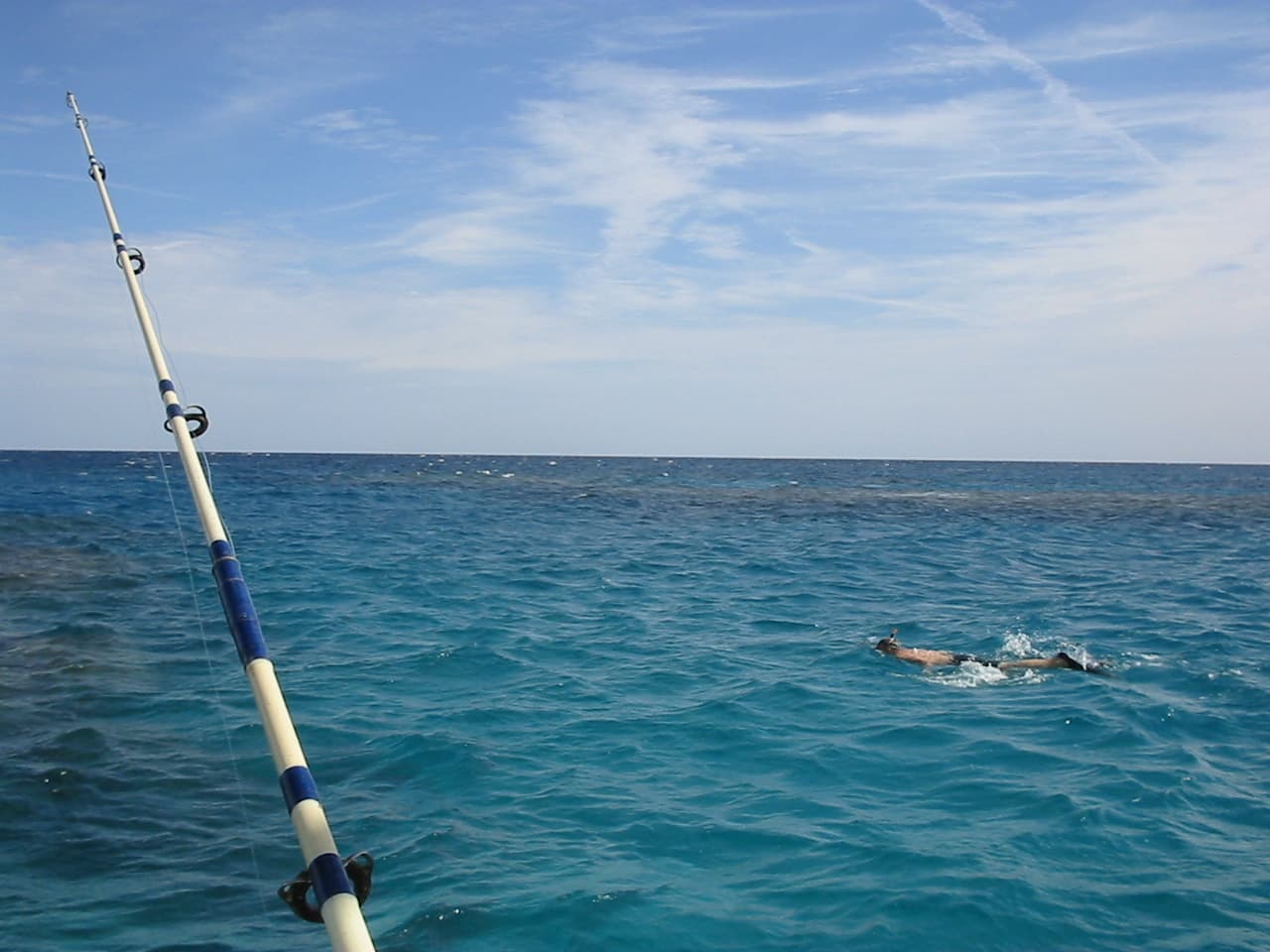
Three Pools is a shallow reef south of town. Ridges of coral split it into small, sheltered pools linked by sandy channels. It suits snorkellers and first-time divers, and it is far calmer than the Blue Hole.
Wear reef shoes to get in. The shoreline around Dahab is mostly coral and stone, so walking in barefoot is a bad idea.
Take a boat to Ras Abu Galum
Ras Abu Galum is a stretch of coast north of the Blue Hole, protected since 1992. It is not easy to reach by road. Most visitors go by Bedouin boat from the Blue Hole, about 20 minutes. Camel trips and walks along the coast path are sold too.
Expect quiet reef, a few Bedouin huts and a Bedouin-cooked lunch. You can stay the night in a simple hut if you want the coast to yourself. The national park fee is usually paid on top of the trip price, so ask before you book.
Try freediving
Dahab is one of the main freediving centres in the world. The Blue Hole gives deep, sheltered water with no current, which is close to ideal for depth training.
Many freedivers stay for weeks and take a course with one of the local schools. A beginner course is a good way to spend a few days even if you have never dived. Train with a school and a buddy, never alone.
Windsurf or kitesurf on the lagoon
The lagoon at the southern end of town, near Mashraba, is shallow, flat and wide. It is a good place to learn to windsurf or kitesurf, because you can stand up over much of it.
The wind is strongest from spring to early autumn. In winter some days have no wind at all. The same afternoon wind makes the beach cool and blowy, so it is a poor spot to lie still on the sand.
Climb Mount Sinai for sunrise
Mount Sinai is two to three hours' drive inland from Dahab. Trips leave around midnight. You walk two to three hours up the camel path, then climb a long flight of rough stone steps to the summit for sunrise.
The summit is above 2,000 metres and cold before dawn, even in August. Bring warm layers, a head torch and good shoes. The walk down is harder on the knees than the climb.
St Catherine's Monastery stands at the foot of the mountain. It was built in the sixth century and is among the oldest monasteries still in use. It is normally closed on Fridays and Sundays and around Orthodox feasts, so check your date. If the night climb sounds too much, a daytime trip to the monastery alone is a good option.
Keep the climb off any diving day, and leave a clear day between the two. If you arrived on the free Sinai-only permit, ask your operator before booking. It covers Sharm el-Sheikh, Dahab, Nuweiba and Taba.
Head into the desert by jeep or camel
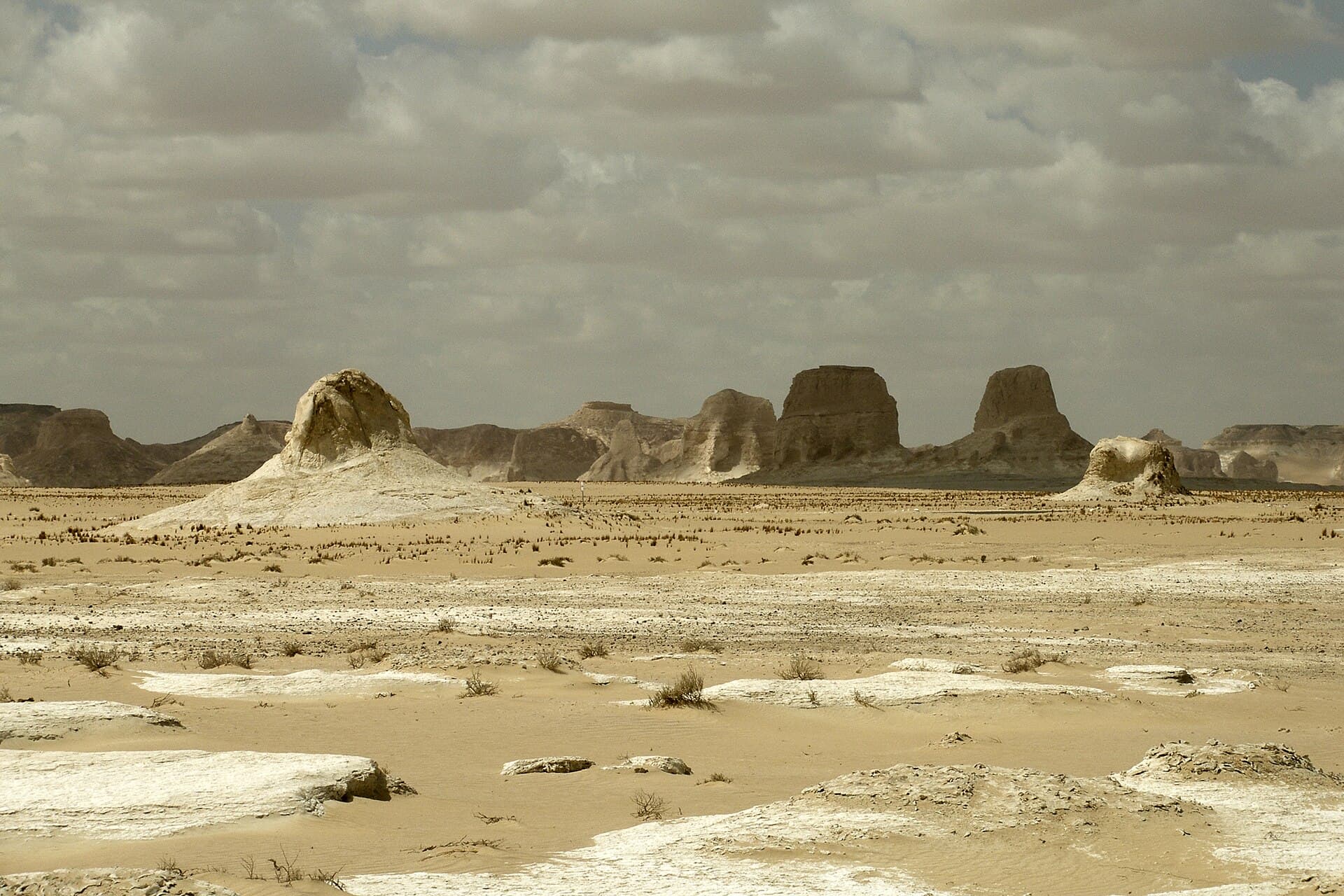
The Sinai mountains rise straight behind the town. Jeep and camel trips with Bedouin guides are the standard non-diving day. The appeal is the landscape and the quiet.
Closer in, the Assalah waterfront is where most of the town eats. Restaurants line the sea with low cushions and tables almost on the water. Expect some friendly touting, and a clear no works.
When is the best time to visit Dahab?
Spring and autumn are best. Roughly March to May and October to November bring warm water and comfortable days. Summer is very hot on land, and inland Sinai in July and August is hard going.
Winter days are mild and nights are cold, especially on the mountain. The water drops to the low twenties Celsius around February and March, so divers want a 5 mm wetsuit.
Can you visit Dahab on one of our tours?
We sell the tours of one Egyptian operator, Memphis Tours. None of its set itineraries includes Dahab or Sinai. Their Red Sea nights are in Hurghada, on the mainland coast.
Dahab works best at the end of a trip, after Cairo and the Nile. If you want to add it, send us a request for a tailor-made trip. Most people fly via Sharm el-Sheikh and stay a week.
Common questions
What is Dahab famous for?+
Dahab is famous for shore diving, the Blue Hole and freediving. It is also a base for the night climb of Mount Sinai. The town is small, slow and walkable, with no big resorts.
Can you snorkel the Blue Hole without diving?+
Yes. Snorkellers stay over the shallow reef rim at the edge of the hole. Go with a dive centre or guide, wear reef shoes to get in, and stay out of the water if it is rough.
How many days do you need in Dahab?+
Three or four nights is the minimum that makes the transfer from Sharm worth it. A week gives you room for a course or several dive days, a Mount Sinai trip and a rest day before flying.
How do you get to Dahab?+
Fly into Sharm el-Sheikh and drive about an hour and a half north. Dahab has no airport with scheduled flights. Driving from Cairo takes most of a day.
Is Dahab good for non-divers?+
Yes, if you like slow days. You can snorkel straight from the shore, windsurf on the lagoon, take a boat to Ras Abu Galum or head into the desert. If you want resorts and nightly entertainment, Sharm el-Sheikh suits you better.
Can you climb Mount Sinai from Dahab?+
Yes. Trips leave Dahab around midnight and drive two to three hours inland. You climb in the dark for sunrise at the summit. Leave a clear day between the climb and any diving.
Do I need a full visa for Dahab?+
Some nationalities can enter at Sharm el-Sheikh airport on a free Sinai-only permit covering Sharm, Dahab, Nuweiba and Taba. It does not cover Cairo or the Nile. If you plan to travel further, get the full tourist visa before you fly.
Is Dahab safe?+
Read the current US State Department and UK FCDO travel advice for Egypt before you book.
Official sources
Entry rules, opening hours, security advice and exchange rates all move. Check them at the source, not here.
Written and checked by the Nile Trip Guide editorial team · Last reviewed . Entry rules, prices and opening hours change — check anything critical against the official sources linked on this page.
Plan this trip
Tell us your dates and we will price it
A real itinerary with real prices, usually within 24 hours. Nothing is booked and nothing is charged until you say yes.
The route most people take first, at the length it was built for: Giza and the Grand Egyptian Museum, then a flight to Luxor and four nights sailing down to Aswan.
No boat on this one. Giza and the Grand Egyptian Museum, a night in Luxor for both banks, two nights on the Red Sea, then back to Cairo for the Citadel, Coptic Cairo and the Royal Mummies.
Five nights in Cairo either side of a four-night sail from Luxor to Aswan. The Cairo days are private, just your party and a guide; the sightseeing off the boat is shared with a small group.