Egypt tours for seniors: pace, walking and the tours that suit
Egypt tours for seniors work best when they are private on land, run from October to April, and include a rest day or two. The walking is the real test. Giza is uphill on sand, and every tomb means steps or a ramp down and back up. Most of the big temples and museums are manageable at a slow pace. Below is what each site asks of your legs, when to go, and the tours we sell that suit a gentler pace.
How much walking is there on an Egypt tour?
More than most people expect, but very little of it is hard. Expect a few hours a day on your feet, on sand or old uneven stone, often with little shade. The vehicle waits close to each site, so you are never far from a seat and air conditioning.
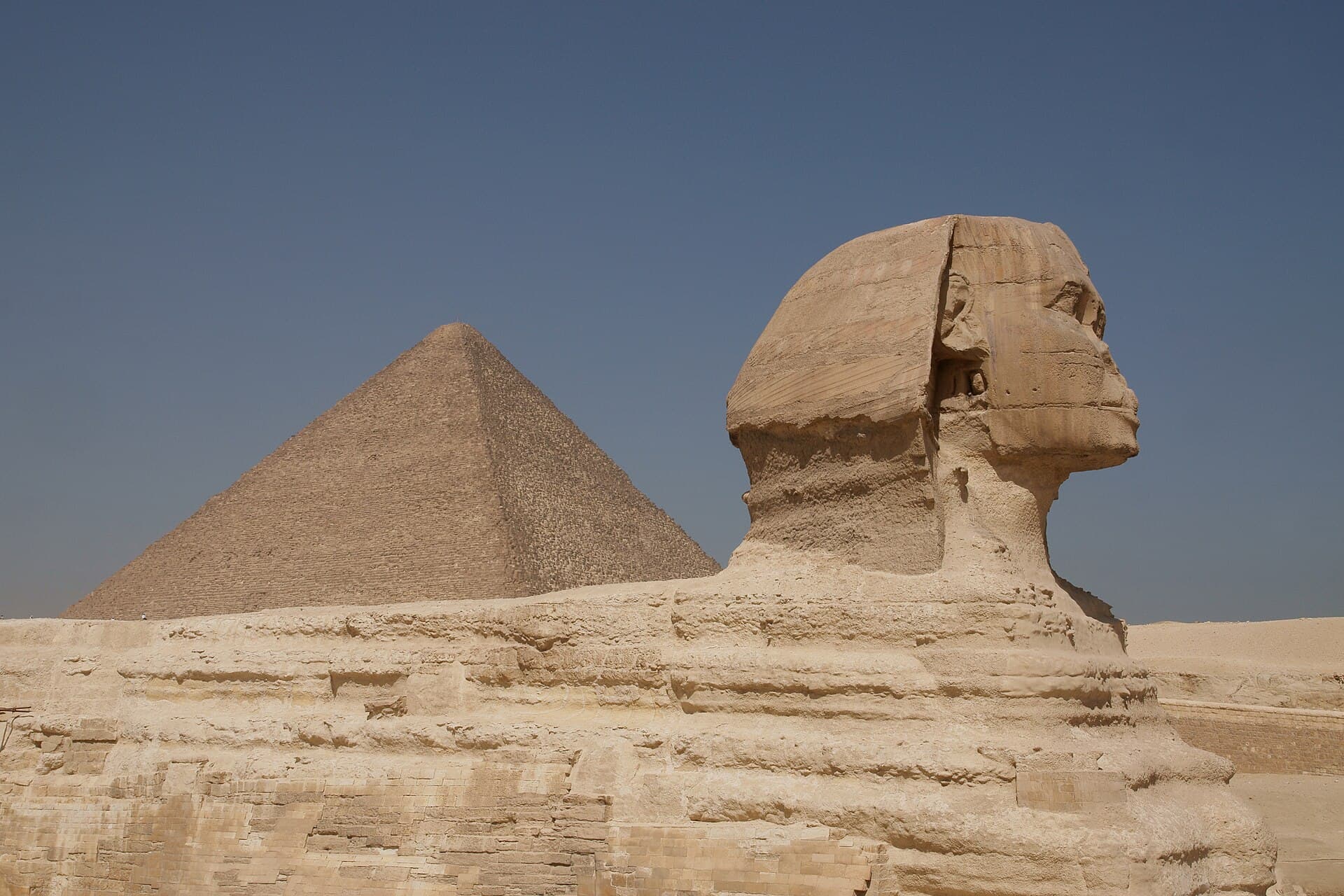
Giza is the longest walk. The plateau is well over a kilometre end to end, mostly uphill on sand and broken rock. You do not have to cover it all. Pick two or three stops and let the rest go.
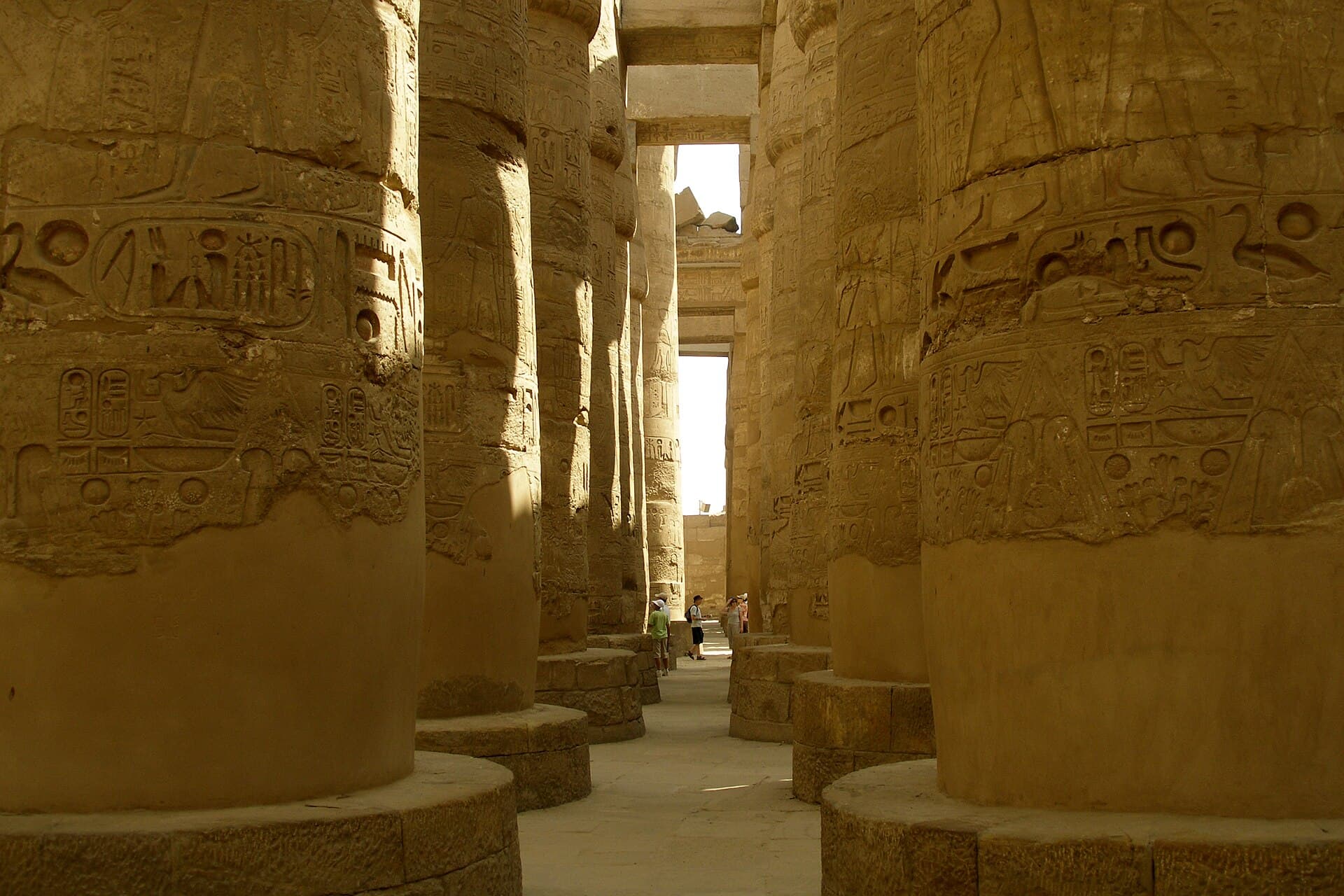
Karnak is large but flat. The main axis to the sacred lake and back is roughly a kilometre, and it takes in most of what people remember. Sit by the lake, then walk back.
Museums are the easy days. The Grand Egyptian Museum is step-free with lifts to every level. The challenge there is distance, because the far galleries are a long way from the entrance.
Steps and tombs: what you can't avoid
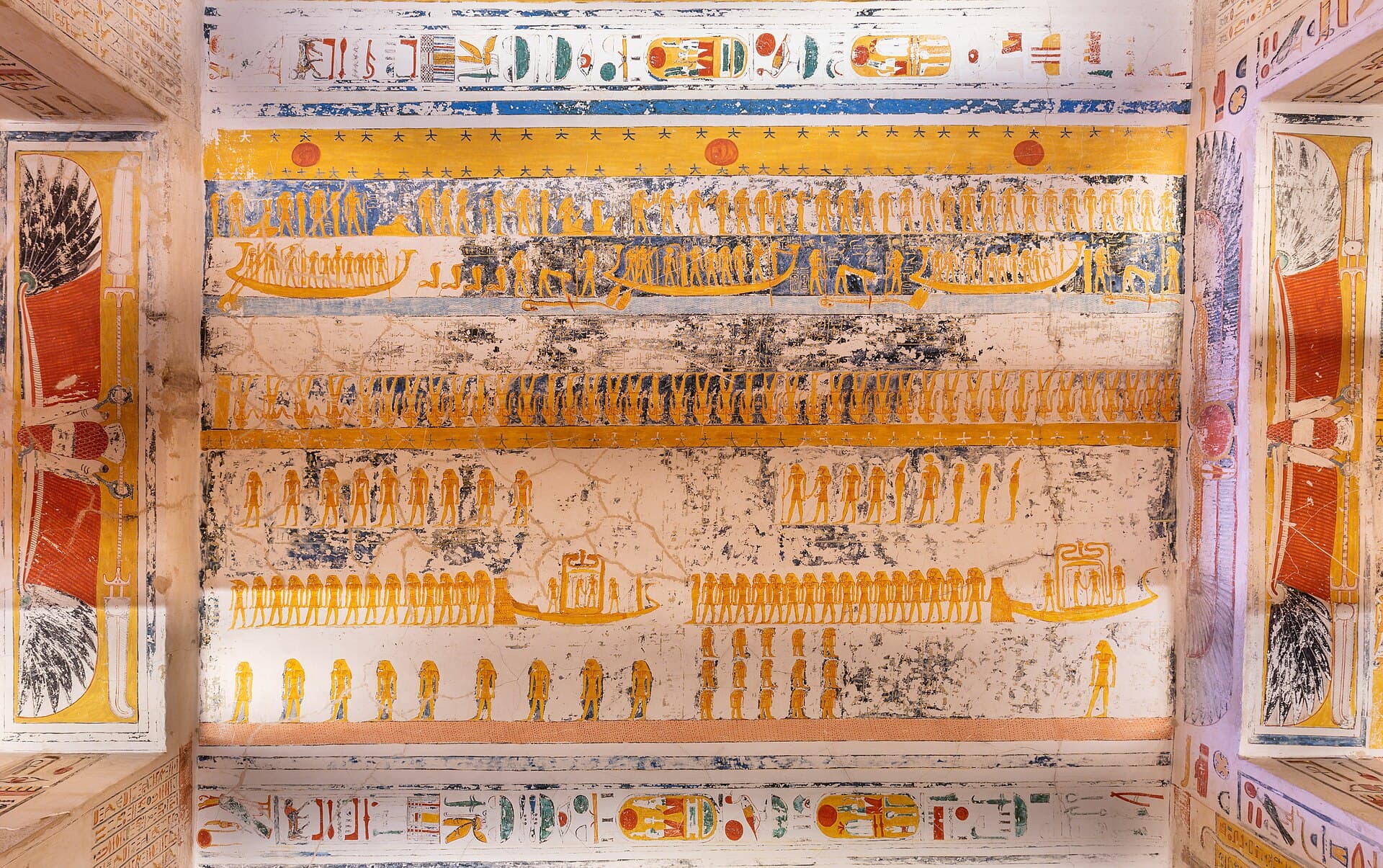
Tombs are where the steps are. In the Valley of the Kings, every tomb means a sloping ramp or steps down, and the same climb back. The ground between tombs is uneven and dusty.
You can choose your tombs. Ramesses IV is short and close to level, which makes it the usual pick. Seti I is a long, steep descent. A small electric train covers the last stretch to the entrance, which saves about ten minutes' walk in full sun.
The Valley of the Queens is similar. Each tomb has steep steps or a ramp, with no lift.
Going inside the Great Pyramid is the hardest climb on any trip. The ascending passage is low and steep, and most adults climb it bent over. It needs a separate ticket, so it is easy to skip. Seeing the pyramids from outside loses you nothing of the scale.
Which sites are easiest with limited mobility?
Some sites ask very little. The Colossi of Memnon have no stairs and sit close to the car park. Memphis has level paths, short distances and some shade.
Others are easy if you skip one part. At Hatshepsut's temple, the shuttle drops you near the lower terrace, which is level. The upper terraces are long ramps with no handrails, and the building looks its best from below anyway.
At Luxor Temple, the first court and the great colonnade hold most of what matters, and you reach them with care. There are steps further in. Dendera and Abydos have steps up into the temple, then level floors inside, with the best carving on that level.
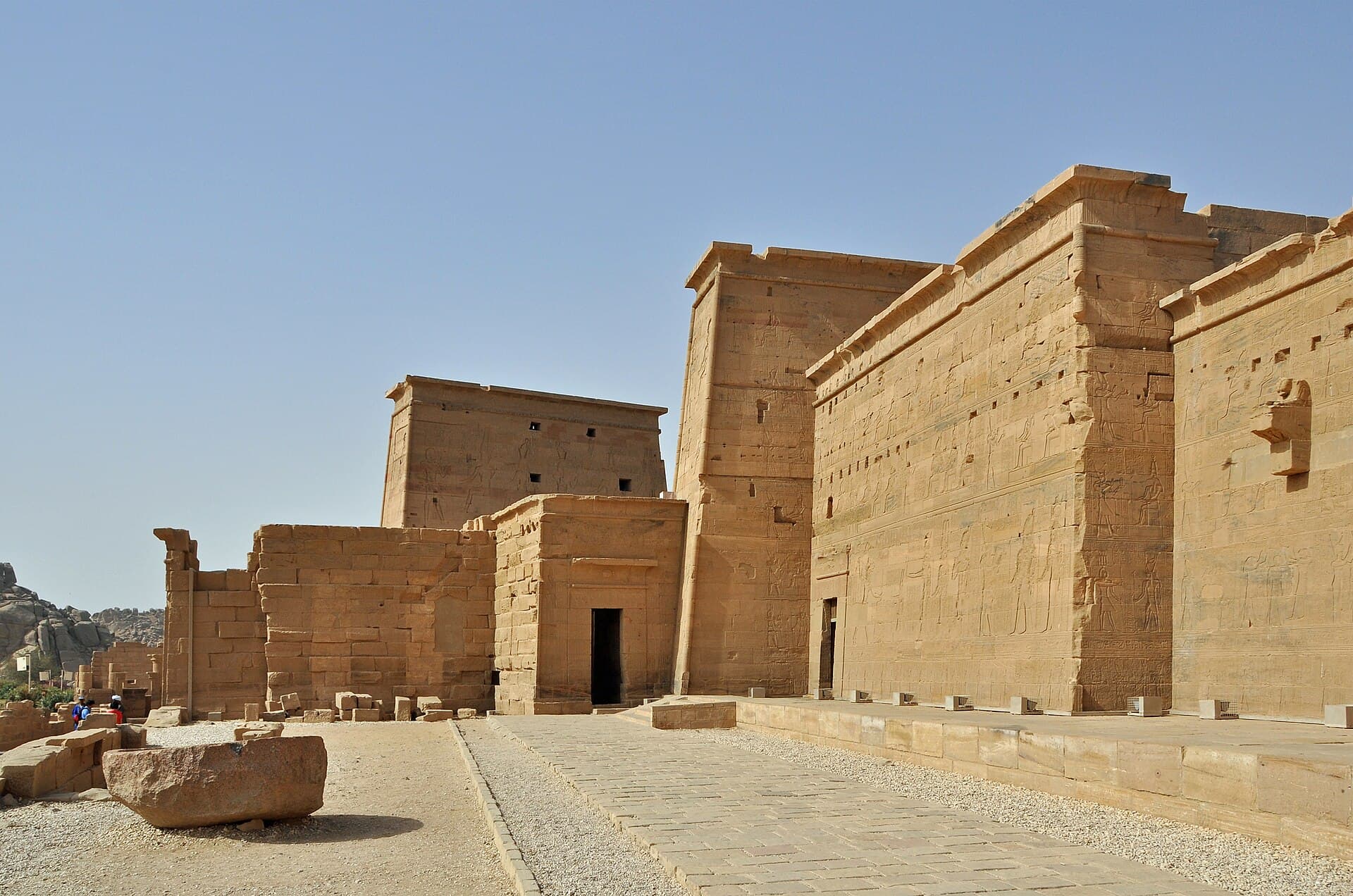
Philae is the awkward one. You step down into a small boat from a stone quay with no rail, and the boat moves. On the island there are steps and raised thresholds. It works with a steady arm and time.
Tell the operator about any mobility needs when you send your request. Then your guide can plan the route around them.
Best time to visit Egypt for older travellers
October to April. Heat is the thing that tires people most, and these months keep it down.
December to February is the coolest spell, with Luxor around 23 to 25C and Cairo around 19 to 21C. November and March are a little warmer, at about 28C and 29C in Luxor. Those four months suit most people.
Avoid June to August if heat bothers you. Luxor sits around 41C, and the open sites have little shade. In any month, start early and be back on the boat or at the hotel by early afternoon.
Winter mornings and evenings are cool, especially on deck. Pack a warm layer.
Private tour or small group?
On the tours we sell, both are part of the same trip. All Cairo touring is private, with your own English-speaking guide and vehicle. You set the pace, sit down when you need to, and skip what you like.
On the Nile cruise, the sightseeing is shared with a group of around 15 people from the boat. The group moves together, so the pace is set for everyone. At Kom Ombo and Edfu, the temples sit close to the mooring, so those days are short.
If keeping up with a group worries you, a fully private trip is worth asking about. It costs more, and the pace is yours all the way.
Nile cruise cabins: what to ask before you book
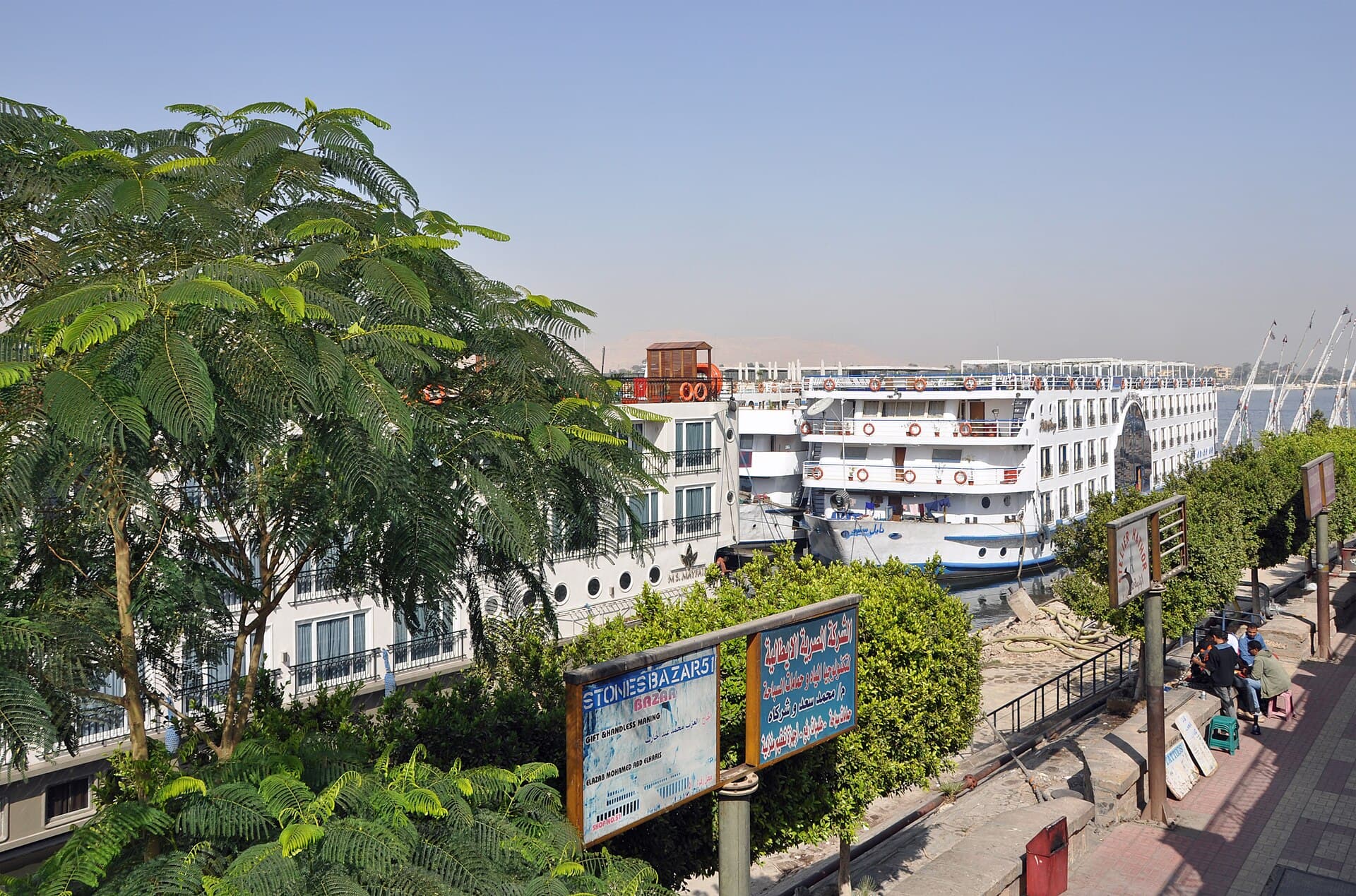
A large cruise ship is usually the easier boat to be on. But boats still mean gangplanks and steps between decks, so ask whether yours has a lift.
Ask which deck your cabin is on. A cabin close to reception and the restaurant cuts down on stairs. Ask too whether the boat moors alongside the bank or rafted between other boats. Rafted mooring can mean walking through other boats' lounges to get ashore.
Pack a soft bag you can lift. On boats and at smaller hotels, luggage often goes up narrow stairs by hand.
A Nile cruise suits older travellers well for one simple reason. You unpack once, and your cabin is never far from where you have been walking.
Getting between cities, and the balloon flight
On our tours, the long legs are flights, and they are in the price. That spares you the sleeper train, which has narrow corridors, steep steps and cramped cabins. Transfers are by private air-conditioned vehicle.
The Luxor balloon flight is offered as a paid extra. You stand for the whole flight, and landings can be firm enough that the crew ask you to brace. That rules it out for some people with back, hip or knee problems.
Travel insurance and health
Travel insurance is not part of any tour price we sell, so buy your own before you pay a deposit. Check that the policy covers your age, any conditions you have, and the full cost of the trip.
Bring enough of any prescription medicine for the whole trip, plus a few spare days. Your exact brand may be hard to find in Egypt.
For safety and health advice, read the US State Department or UK FCDO travel advice for Egypt before you book. Check it again in the week you fly.
Which of our tours suit a gentler pace?
Cairo, Luxor and a Nile Cruise, nine days, starts at US$2,385 per person. The boat stays in Luxor for a day, and there is an extra Cairo day at the end, so the sightseeing is spread out.
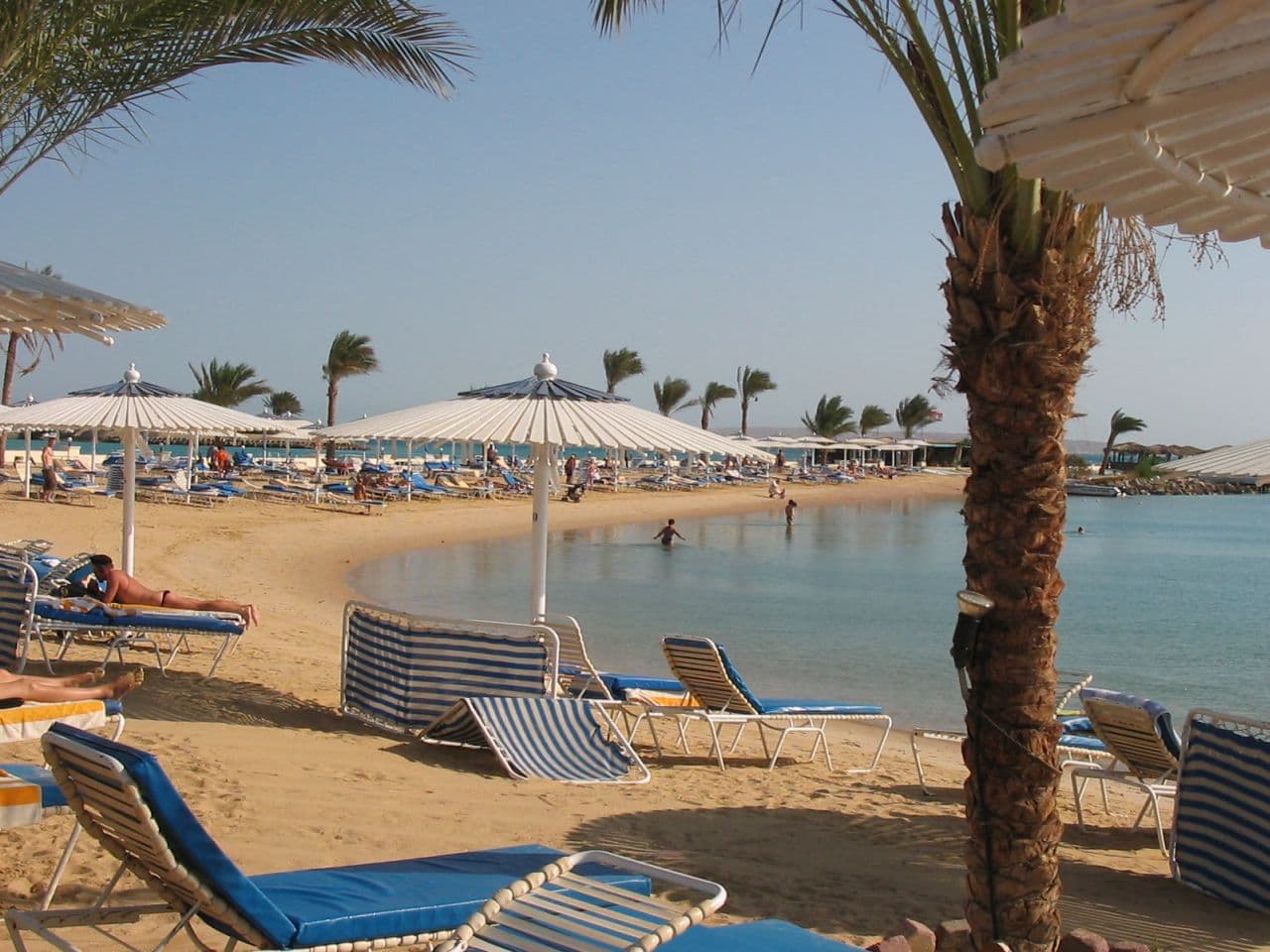
Cairo, a Nile Cruise and Hurghada, thirteen days, starts at US$2,945. After a week of sites, three days at the beach carry no touring at all. It also spends a night in an Aswan hotel before boarding.
The Cairo Short Break, five days, starts at US$935. You stay four nights in one hotel, and every touring day is private.
On all three, the operator's own representatives meet you at the airport. Guest relations support runs for your whole stay.
Common questions
Is Egypt a good destination for seniors?+
Yes, if you plan for walking and heat. Go between October and April, take a private guide on land and allow a rest day. Most major sites are manageable at a slow pace.
How fit do you need to be for an Egypt tour?+
You should be able to walk for a couple of hours on uneven ground, with stops. Tombs add steps or ramps down and back. Nothing on our tours is technical, and the vehicle is never far away.
Can you visit Egypt in a wheelchair?+
Parts of it. The Grand Egyptian Museum is step-free with lifts. Karnak's main route and the Colossi of Memnon are manageable with help. Tombs, Philae and most boats are hard. Raise it in your request so the operator can say what is possible.
Do you have to go into the tombs?+
No. You choose which tombs to enter in the Valley of the Kings, and Ramesses IV is close to level. Going inside a pyramid is optional and needs its own ticket.
What is the best month for older travellers?+
December to February for the coolest weather, with Luxor around 23 to 25C. November and March are also comfortable. Avoid June to August, when Luxor sits around 41C.
Is a Nile cruise good for seniors?+
Yes, for most. You unpack once, meals are on board, and the boat is your base every evening. Ask whether your boat has a lift and which deck your cabin is on.
Are the sightseeing groups large?+
On our tours, Cairo touring is private. The cruise sightseeing is shared with around 15 people from the boat.
Is Egypt safe for older travellers?+
Read the current US State Department or UK FCDO travel advice for Egypt before you book. We do not summarise it, because it changes.
Official sources
Entry rules, opening hours, security advice and exchange rates all move. Check them at the source, not here.
Written and checked by the Nile Trip Guide editorial team · Last reviewed . Entry rules, prices and opening hours change — check anything critical against the official sources linked on this page.
Plan this trip
Tell us your dates and we will price it
A real itinerary with real prices, usually within 24 hours. Nothing is booked and nothing is charged until you say yes.
The standard Cairo and Nile cruise route with the day most itineraries cut: a second Cairo day at the end for the Royal Mummies, the Citadel and Coptic Cairo.
Thirteen days that give the ancient sites a week and then stop moving: Cairo, a flight to Aswan, three nights sailing down to Luxor, and three nights on the Red Sea at Hurghada before flying back for a last day in Cairo.
Five days in Cairo and nowhere else: Giza, the Grand Egyptian Museum, the Egyptian Museum, the Citadel, Coptic Cairo and Khan el-Khalili. Four nights in one hotel, and every sightseeing day run privately.