Ancient Egyptian animals: sacred gods, animal mummies and where to see them
Ancient Egyptian animals were often sacred. Many gods took animal form: Sobek the crocodile, Horus the falcon, Bastet the cat, Thoth the ibis and the Apis bull. Pilgrims bought mummified animals as offerings, and the Saqqara catacombs held millions of them. Today you can see the evidence at Kom Ombo's Crocodile Museum, at Saqqara and in Cairo's museums.
Why were animals sacred in ancient Egypt?
Animals were central to how ancient Egyptians saw the world. Most animals had a link to a particular god. A god could show itself through an animal, and some animals were kept and cared for as the living form of a god.
People honoured the god behind the animal. A temple might keep chosen animals, like Sobek's crocodiles at Kom Ombo or the Apis bull at Memphis. Other animals of the same kind stayed ordinary.
Death mattered too. A mummified animal's soul could carry a message to its god. That belief filled whole cemeteries with animal mummies.
Egyptian gods with animal forms
Sobek was the crocodile god, tied to the Nile and the water. Kom Ombo temple was built for him and for a form of Horus, side by side.
Horus was the falcon god, linked to kingship. His best-kept temple stands at Edfu, on the Nile between Luxor and Aswan.
Bastet was the cat goddess. Thoth, god of writing and wisdom, took the form of an ibis or a baboon. Anubis, god of the dead and of embalming, was shown as a dog or jackal.
The Apis bull belonged to Ptah, the god of Memphis. A living bull was kept at Memphis as the god's sign on earth. When it died it was buried at Saqqara with great ceremony, and a new bull was found.
Animal mummies: why there are millions
Most animal mummies were offerings. A pilgrim bought a wrapped animal and gave it to a god, like lighting a candle today. Ibises and baboons went to Thoth, falcons to Horus and cats to Bastet.
The numbers are huge. The Brooklyn Museum says one Saqqara cemetery alone held over four million ibis mummies. The nearby dog catacombs, beside a temple of Anubis, held seven to eight million animals, mostly dogs. Animal mummies come from at least 31 cemeteries across Egypt.
It was a business as well as a faith. Animals were bred, killed, wrapped and sold around the temples. Scans show that some bundles hold only part of an animal, or just feathers, sticks and mud.
The Serapeum and the Apis bulls
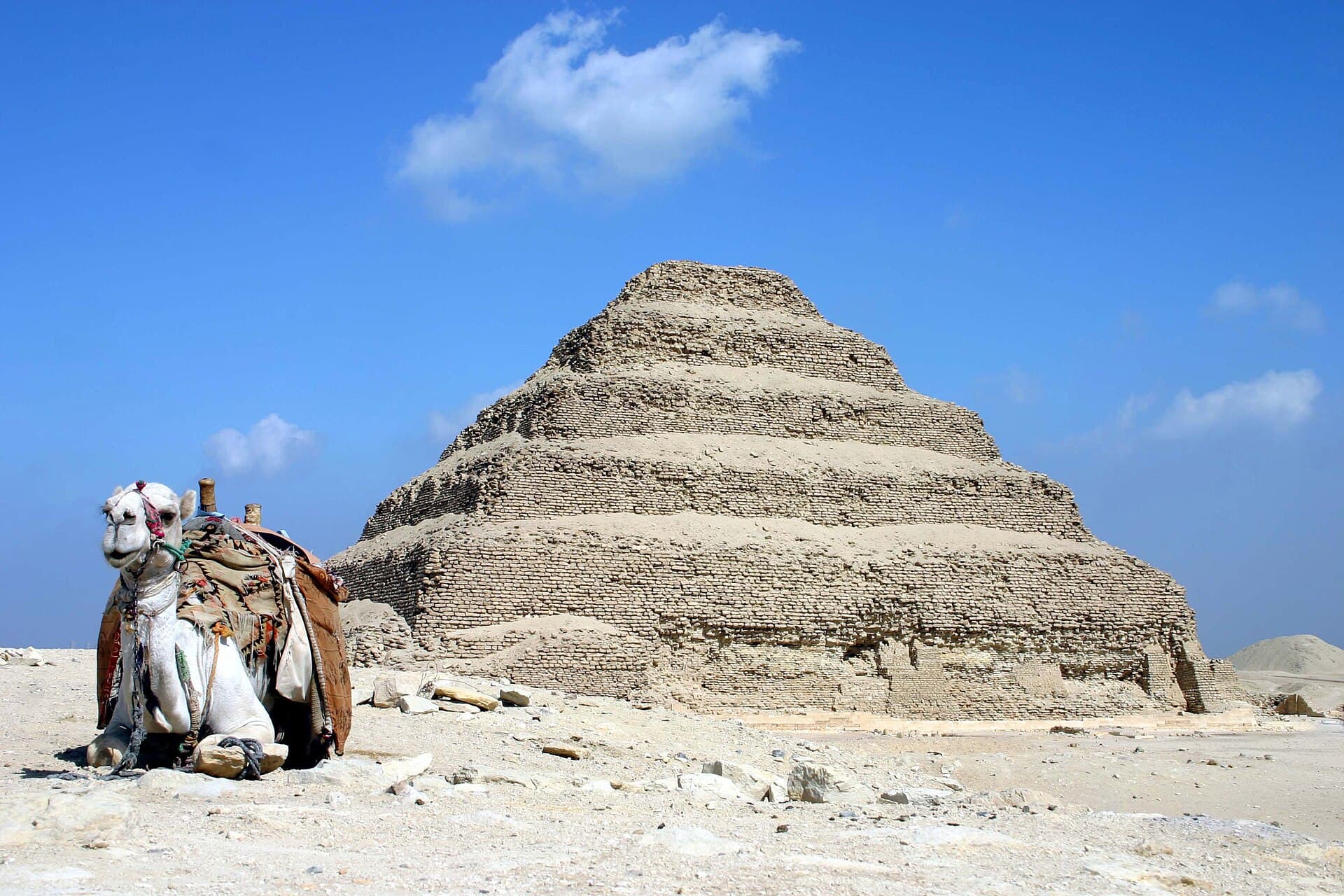
The Serapeum at Saqqara is where the Apis bulls were buried. It is a long gallery cut into the rock, with side rooms on both sides. Each room holds a huge stone coffin, mostly of granite or basalt.
It sits at the opposite end of the scale from a cheap wrapped ibis. Each bull got a costly burial of its own, one at a time.
The Serapeum needs a separate ticket from the main Saqqara entry. Buy it at the gate. Our Saqqara guide covers what else to see and how long to allow.
The Crocodile Museum at Kom Ombo
The Crocodile Museum stands next to Kom Ombo temple, north of Aswan. It opened in 2012 and is dedicated to Sobek. It is the easiest place in Egypt to see animal mummies up close.
The main hall shows mummified Nile crocodiles. The longest is 4.30 metres and the smallest is 2 metres. You also see crocodile fetuses, and teeth of gold and ivory from the mummies. A model tomb shows how crocodiles were buried in pottery coffins.
The ministry lists one ticket for the temple and the museum together, EGP 450 for a foreign adult and EGP 225 for a student. It opens daily from 7am to 9pm, with the last ticket at 8pm. Hours are shorter in Ramadan.
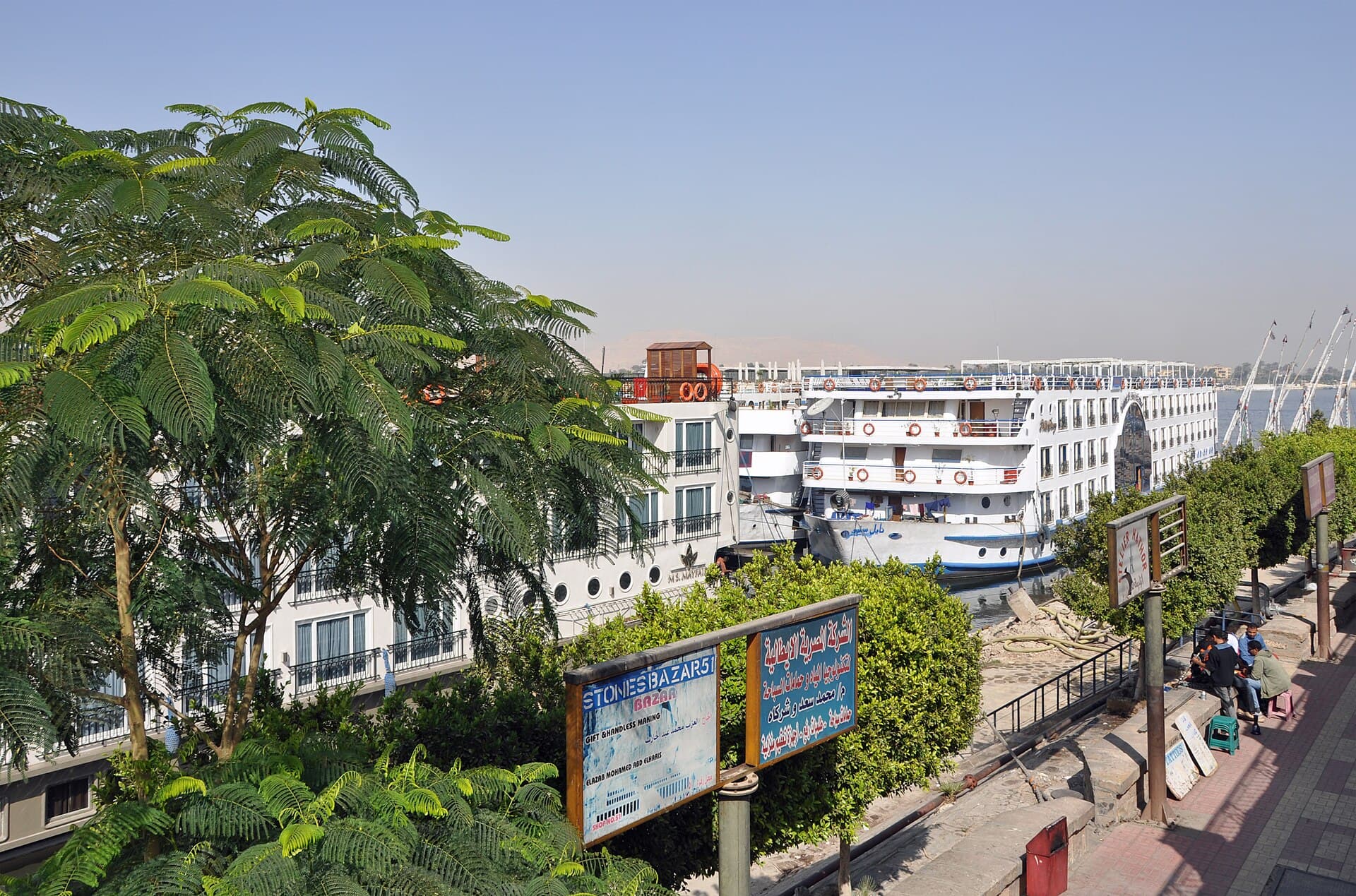
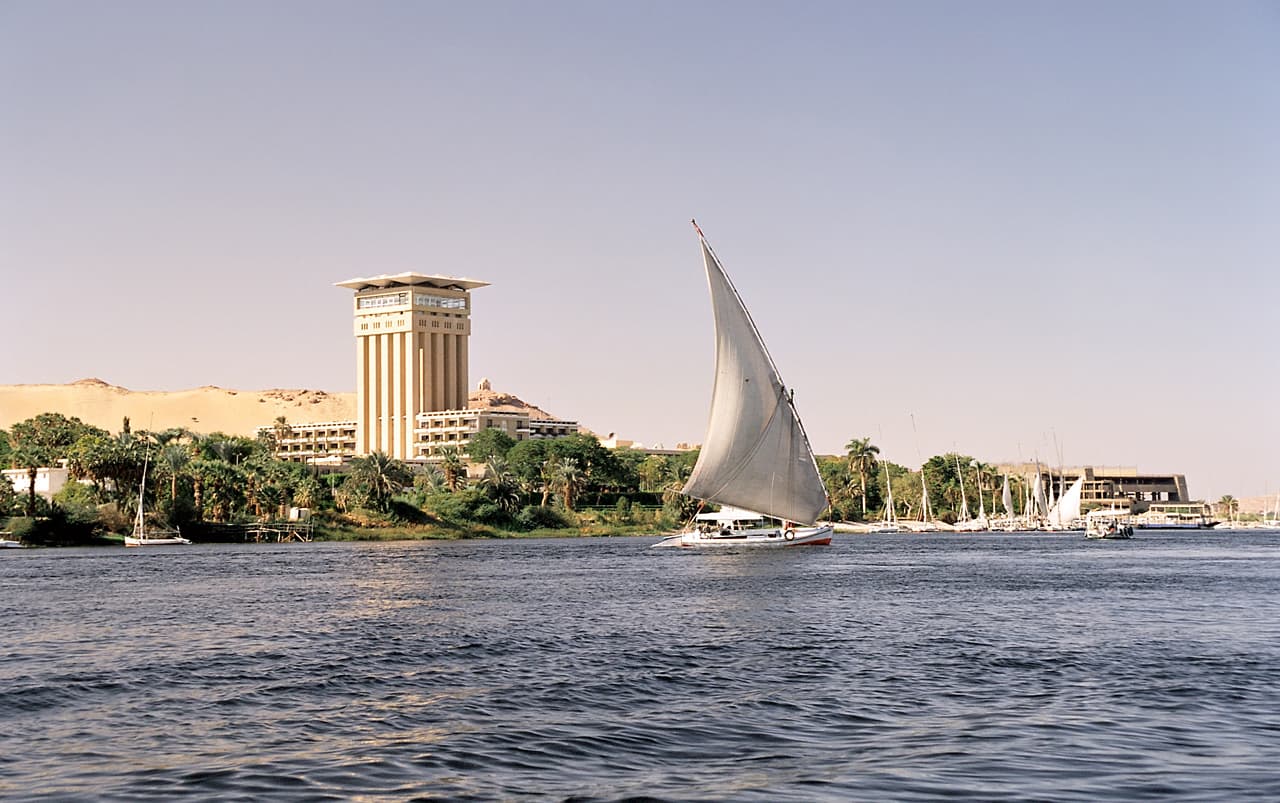
Every Nile cruise we sell stops at Kom Ombo. The four-day Nile Cruise from Aswan to Luxor starts at US$840 per person, land only.
Where to see sacred animals on a trip to Egypt
Kom Ombo gives you the crocodile mummies and Sobek's temple in under an hour. Edfu gives you Horus, with two famous statues of him as a falcon in dark stone.
Saqqara gives you the Serapeum. The Grand Egyptian Museum shows the whole Tutankhamun find, which is full of gods in animal form. Ask your guide to point them out as you go.
The Egyptian Museum on Tahrir Square has long kept a room of animal mummies. It was rearranged in 2003 and 2004 with the American University in Cairo. Rooms change, so ask on the day if it is open.
On the tours we sell, Saqqara appears on day 14 of two long trips. The Grand Tour of Egypt, 16 days, starts at US$3,910 per person. Cairo, Luxor and a Nile Cruise, 15 days, starts at US$3,985. Both prices are land only.
Animals in daily life in ancient Egypt
Not every animal was sacred. Most animals were part of farm and family life. Tomb walls in Luxor show harvests, banquets and hunting birds in the marshes.
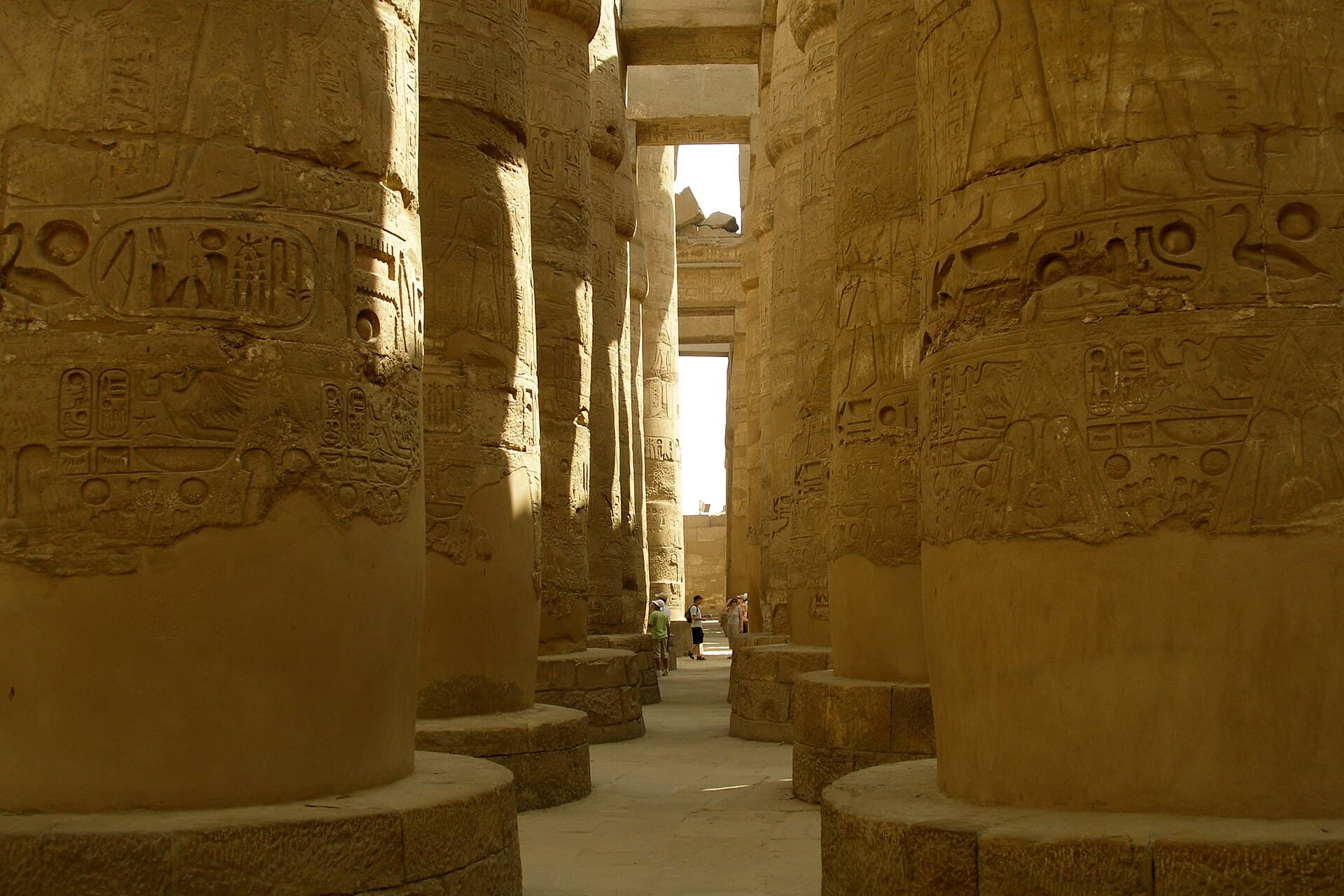
The tombs of the nobles on Luxor's west bank are the best place to see this. The tombs of Sennefer, Nakht and Menna are painted with fish and birds in the reeds.
Common questions
What animals were sacred in ancient Egypt?+
Many. The best known are the crocodile for Sobek, the falcon for Horus, the cat for Bastet, the ibis and baboon for Thoth, the dog or jackal for Anubis and the Apis bull for Ptah.
Why did ancient Egyptians mummify animals?+
Mostly as offerings. A pilgrim gave a mummified animal to its god, and its soul carried a message to that god. Sacred temple animals, like the Apis bull and Sobek's crocodiles, were mummified too.
How many animal mummies have been found?+
Millions. The Brooklyn Museum says one Saqqara cemetery held over four million ibis mummies. The nearby dog catacombs held seven to eight million animals. Animal mummies come from at least 31 cemeteries.
Were cats worshipped in ancient Egypt?+
Cats were sacred to the goddess Bastet, and people offered mummified cats to her. Egyptians honoured the goddess through the animal. Cats at Saqqara were buried in an area called the Bubasteion.
Where can I see animal mummies in Egypt?+
The Crocodile Museum at Kom Ombo is the easiest, with a joint temple and museum ticket. The Egyptian Museum in Cairo has long had an animal mummy room, so ask on the day if it is open.
Is the Crocodile Museum at Kom Ombo worth it?+
Yes, give it twenty minutes. It holds real crocodile mummies from 2 to 4.30 metres long. The ticket covers both the temple and the museum, and it sits a short walk from the cruise moorings.
What was the Apis bull?+
A living bull kept at Memphis as the sign of the god Ptah. When it died, it was buried in the Serapeum at Saqqara in a huge stone coffin. Then a new bull was chosen.
Were some animal mummies fake?+
Yes. Scans show some bundles hold only part of an animal, or feathers, sticks and mud. The trade in offerings was a business, and not every seller was honest.
Official sources
Entry rules, opening hours, security advice and exchange rates all move. Check them at the source, not here.
Written and checked by the Nile Trip Guide editorial team · Last reviewed . Entry rules, prices and opening hours change — check anything critical against the official sources linked on this page.
Plan this trip
Tell us your dates and we will price it
A real itinerary with real prices, usually within 24 hours. Nothing is booked and nothing is charged until you say yes.
Sixteen days and very little left out: Cairo, a flight to Aswan, three nights sailing down to Luxor, two more days of Luxor on land, three nights on the Red Sea, then back to Cairo for Saqqara and Dahshur.
Fifteen days of the ancient sites without a beach stop: Cairo, two days of Luxor on land, four nights sailing to Aswan, a Nubian village, then back to Cairo for Alexandria, Saqqara and Dahshur.
Three nights sailing north from Aswan to Luxor, taking in Philae, Kom Ombo, Edfu, the Valley of the Kings and finally Karnak. Full board on board, and the sightseeing runs as a shared group of about fifteen.