Animals in Egypt: desert wildlife, birds, camels and where to see them
The animals most visitors see in Egypt are camels, horses and donkeys at the sites, birds along the Nile, and fish on the Red Sea reefs. The wild desert animals are real but shy. They include the fennec fox, the Nubian ibex, the dorcas gazelle and the African golden wolf. Your best chances are in the protected areas, at dawn or dusk. Egypt has no official national animal. Its emblem is a golden eagle.
What animals live in Egypt?
Egypt is mostly desert, so its wild animals are built for heat and little water. Most come out at night. In daylight you see the animals people keep: camels, horses, donkeys, water buffalo and goats.
The wild ones split into three groups. Desert mammals live in the Western Desert, the Eastern Desert and Sinai. Birds gather along the Nile and pass overhead on migration. The Red Sea holds the richest wildlife of all, on its coral reefs.
The big African animals people sometimes expect are absent. There are no lions, elephants or giraffes in the wild. Egypt is a place for small, shy desert animals and a lot of birds.
What is Egypt's national animal?
Egypt has no national animal set in law that we could find. The nearest thing is the golden eagle on the state emblem. It sits in the white band of the flag, holding a scroll with the country's name.
Egyptians call it the Eagle of Saladin, after the twelfth-century ruler of Egypt. The State Information Service and the presidency's website both describe the flag's golden eagle.
Many websites name a national bird, often the steppe eagle. We found no official source for that, so treat it as a popular claim. For ancient Egypt, the animals that mattered most were sacred ones. Our page on animals in ancient Egypt covers them.
Desert mammals: fennec fox, Nubian ibex, gazelle and golden wolf
The fennec fox is a small, sand-coloured fox with very large ears. It lives in the deserts of mainland Egypt and Sinai. The IUCN Red List rates it Least Concern. You are most likely to see one near a desert camp after dark.
The Nubian ibex is a wild goat with long, curved horns that lives in rocky desert mountains. The IUCN lists it as Vulnerable, with Egypt in its range. The dorcas gazelle is a small, pale gazelle of open desert. It is also listed as Vulnerable. Hunting and lost habitat are the main threats.
The animal older books call the Egyptian jackal has a new name. A 2015 genetic study showed it is a separate species from the Eurasian golden jackal. It is now called the African golden wolf, Canis lupaster. Many guidebooks still call it a jackal.
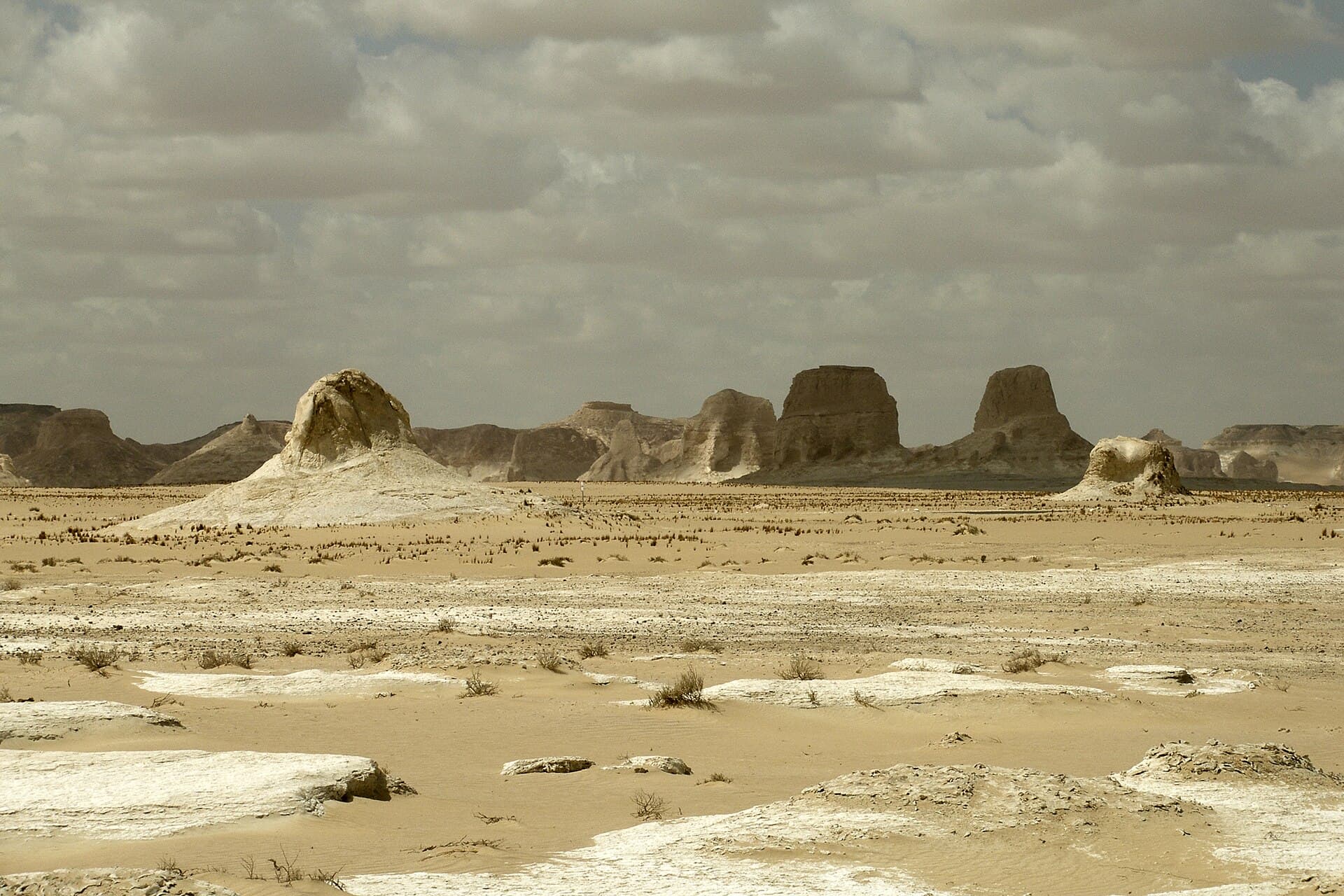
Seeing any of these takes luck and patience. A night in the White Desert or a walk in the Sinai mountains gives you the best chance. Go with a local guide, and stay quiet at dawn and dusk.
Birds in Egypt: Nile birds and the great migration
Egypt sits on one of the world's main routes for migrating birds. Each spring and autumn, eagles, buzzards, storks and pelicans fly between Africa and Europe. They follow the Red Sea and cross at the Gulf of Suez and Sinai.
The numbers are large. A 2013 study puts the yearly flow on this route at over one and a half million soaring birds. At one spot south of Suez, counters logged 183,275 soaring birds of 28 species in spring 2012. Three in four of the birds of prey were steppe buzzards.
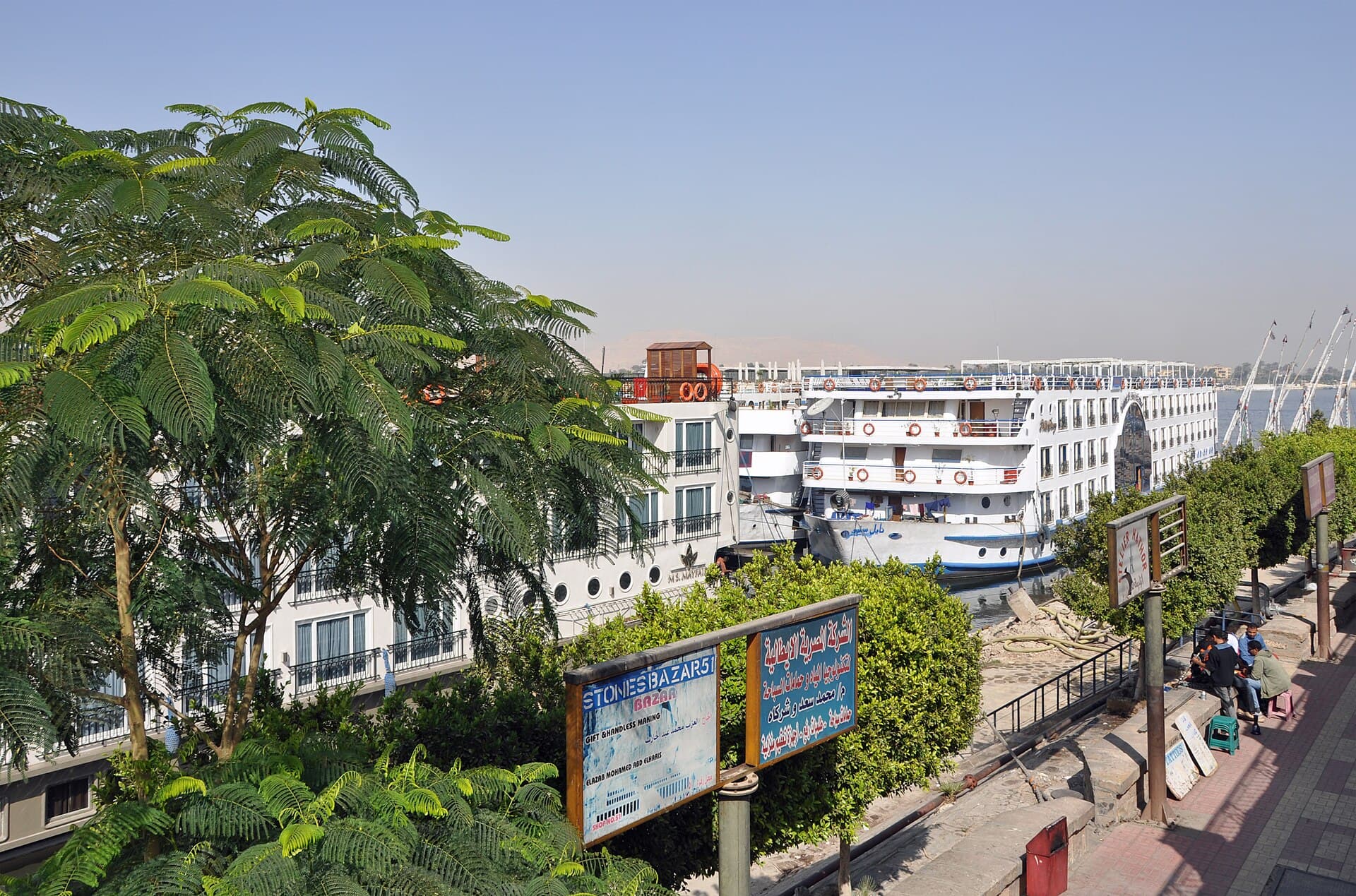
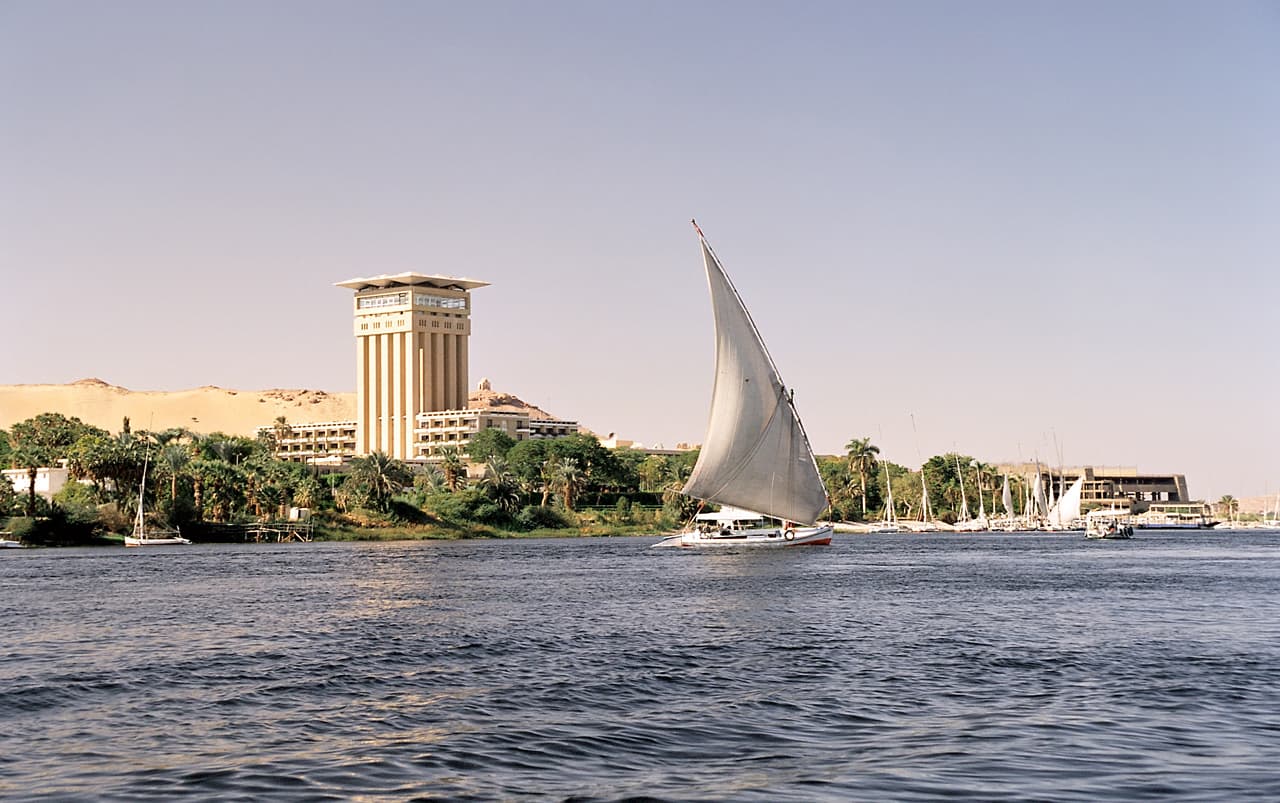
The Nile is easier birdwatching. From a cruise deck you see herons lifting off the banks, and birds working the fields and reed beds. Bring binoculars if birds matter to you. The quiet stretches between temples are the best time to use them.
Nile crocodiles and other reptiles
Nile crocodiles no longer live in the Nile through Luxor or Aswan. They were hunted out of that stretch before the High Dam was finished. Today they live in numbers in Lake Nasser, above the dam.
Most travellers never see a live one. The crocodiles at Kom Ombo are mummies, in the small museum beside the temple. If a tout offers you a live crocodile on the river, it is a show for tourists.
The desert also has lizards, snakes and scorpions. They hide by day. Wear closed shoes on desert walks, and shake out boots left outside a tent overnight.
Camels, horses and donkeys: what to know before you ride
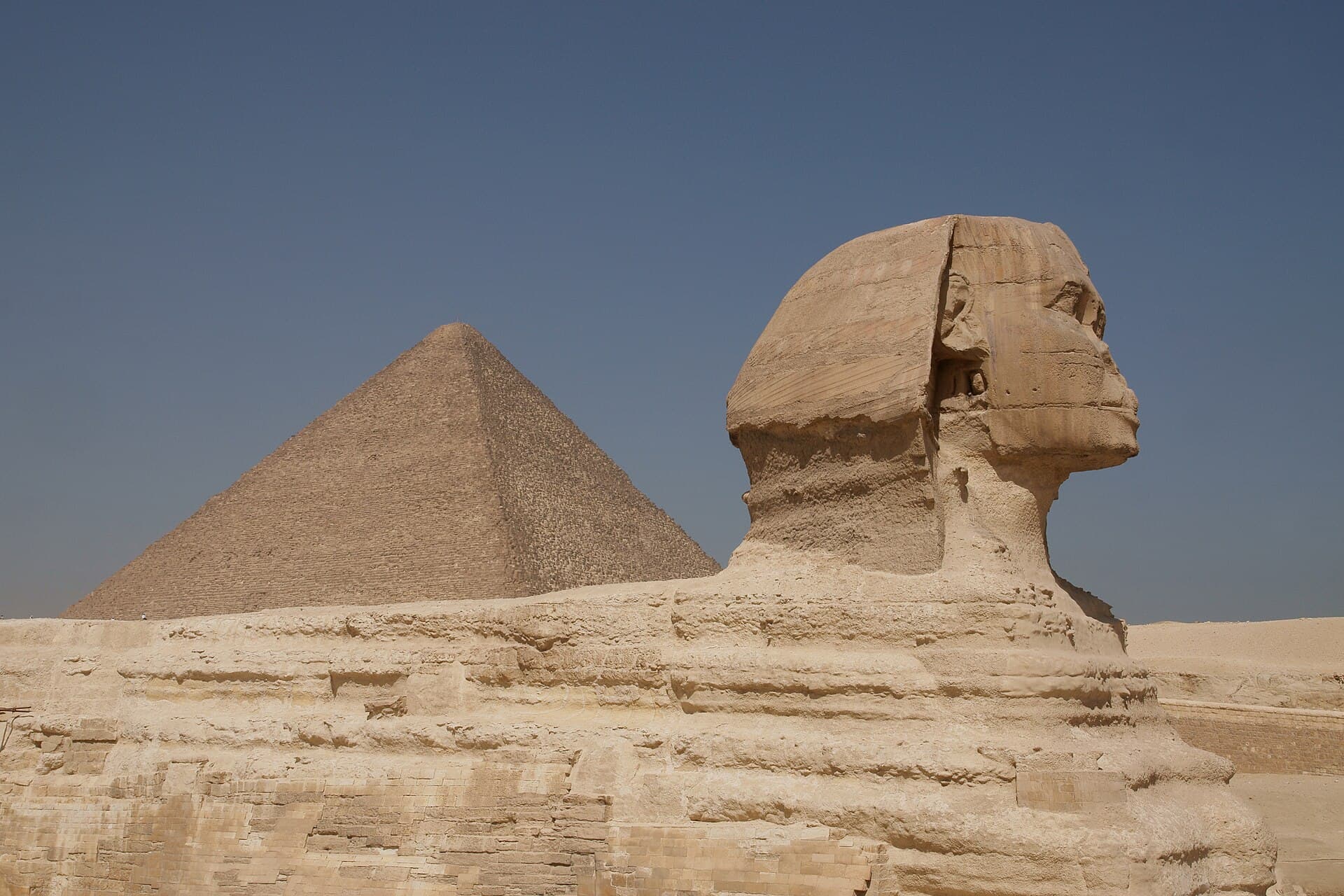
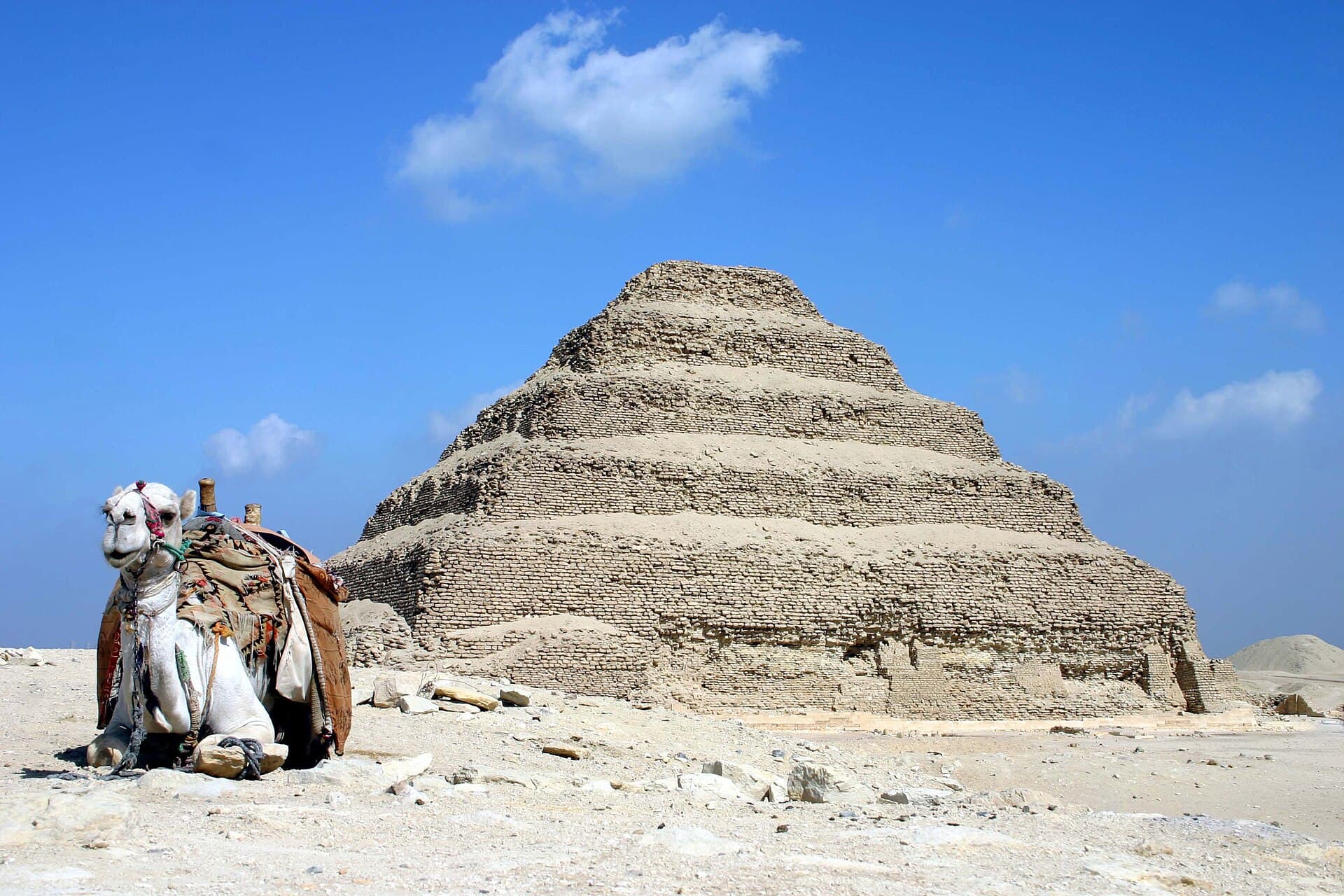
Egypt's camels are dromedaries, the one-humped kind. You meet them at Giza, on the camel path up Mount Sinai, and on desert trips. Horses pull the carriages in Luxor and Edfu. Donkeys still do farm work in the villages.
Animal welfare is uneven. At Giza, some horses and camels are visibly in poor shape. You can choose not to ride, or choose an animal that looks healthy and rested. Walk away if the animal is thin, lame, has sores or is being beaten.
Brooke, the animal welfare charity, began in Cairo. Dorothy Brooke opened a free hospital for the city's old war horses there in 1934. Its Egyptian arm, the Brooke Hospital for Animals Egypt, still works with the country's horses and donkeys.
Agree any price before you get on, and expect a hard sell at Giza. A flat, polite no works better than a long debate. Our page on scams and touts in Egypt has more.
Red Sea wildlife: reefs, turtles, dolphins and sharks
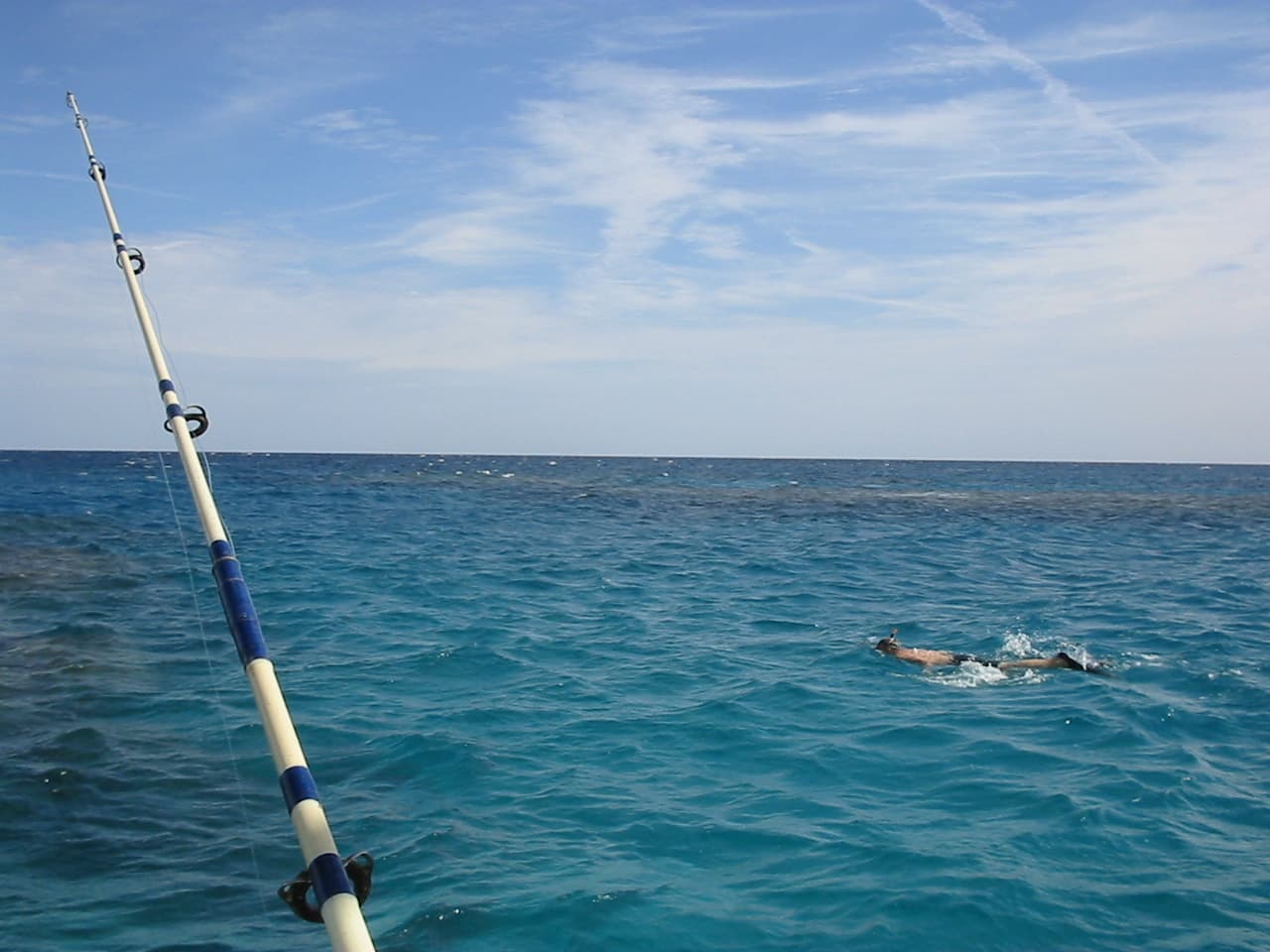
For most visitors, the Red Sea is where Egypt's wildlife really shows up. One snorkel shows you hundreds of reef fish, coral and often a turtle. Green turtles graze in the seagrass bays near Marsa Alam.
Spinner dolphins rest in some reef lagoons by day, and the rare dugong feeds in a few sheltered bays. Sharks live here too, mostly far from the beaches.
Our guide to Red Sea marine life covers what you will see and where. Our page on sharks in the Red Sea covers the species and the risk.
Where to see wildlife in Egypt: the protected areas
Ras Mohammed, at the tip of Sinai, became Egypt's first national park in 1983. It protects some of the best reef in the Red Sea. Sinai also lies on the migration route, so birds pass overhead in spring and autumn.
Wadi El-Rayan in Faiyum, south-west of Cairo, became a protected area in 1997. Inside it lies Wadi Al-Hitan, or Whale Valley, a UNESCO World Heritage Site since 2005. Its fossils show early whales that still had small hind legs. Cars are kept out, and you walk the trails between the skeletons.
The Saint Catherine area in the Sinai mountains has been protected since 1988 and on the UNESCO list since 2002. UNESCO names its rare plants and wildlife as reasons for the protection. Mount Sinai sits inside it.
The Egyptian Environmental Affairs Agency runs these protected areas. Fees and rules change, so check at the gate.
Sacred animals in ancient Egypt
Ancient Egyptians gave many of their gods animal forms. Sobek was a crocodile, Horus a falcon, Bastet a cat and Thoth an ibis or a baboon. Millions of animals were mummified as offerings to these gods.
You can see the evidence on a normal trip. Kom Ombo has its crocodile museum, and Saqqara has the bull burials of the Serapeum. Our page on animals in ancient Egypt tells the full story.
Common questions
What animals live in Egypt?+
Wild desert animals include the fennec fox, Nubian ibex, dorcas gazelle and African golden wolf. Millions of birds pass through on migration. The Red Sea has reef fish, turtles, dolphins and sharks. Day to day, you mostly see camels, horses, donkeys and water buffalo.
What is the national animal of Egypt?+
Egypt has no national animal named in law that we could find. Its state emblem is a golden eagle, known as the Eagle of Saladin. It appears in the middle of the red, white and black flag.
Are there camels in Egypt?+
Yes. Egypt's camels are one-humped dromedaries. You see them at the Giza pyramids, on the path up Mount Sinai and on desert trips. Check an animal looks healthy before you ride, and agree the price first.
Are there crocodiles in the Nile in Egypt?+
Not in the stretch most visitors see. Crocodiles were hunted out of the Nile below the High Dam. They live in numbers in Lake Nasser, above the dam near Aswan and Abu Simbel.
Are there lions or other big wild animals in Egypt?+
No. There are no wild lions, elephants or giraffes in Egypt. The largest wild land animals are ibex, gazelles and the African golden wolf, and all are shy.
Where can I see wildlife in Egypt?+
The Red Sea reefs are the surest bet. On land, try Ras Mohammed, Wadi El-Rayan and Whale Valley in Faiyum, the Saint Catherine area in Sinai and a night in the White Desert. Dawn and dusk give you the best chances.
Is it cruel to ride a camel or horse at the pyramids?+
It depends on the animal. Some are well kept and some are visibly in poor shape. Look before you ride, and walk away from any animal that is thin, lame or hurt. Skipping the ride is always a fine choice.
Is it safe to walk in the Egyptian desert?+
For current advice, read the US State Department and UK FCDO travel pages for Egypt. In practical terms, go with a local guide, wear closed shoes and carry plenty of water.
Official sources
Entry rules, opening hours, security advice and exchange rates all move. Check them at the source, not here.
Written and checked by the Nile Trip Guide editorial team · Last reviewed . Entry rules, prices and opening hours change — check anything critical against the official sources linked on this page.
Plan this trip
Tell us your dates and we will price it
A real itinerary with real prices, usually within 24 hours. Nothing is booked and nothing is charged until you say yes.
Trips with Nile birds, Kom Ombo's crocodiles and the Red Sea
Three nights sailing north from Aswan to Luxor, taking in Philae, Kom Ombo, Edfu, the Valley of the Kings and finally Karnak. Full board on board, and the sightseeing runs as a shared group of about fifteen.
Four nights sailing south from Luxor to Aswan: Karnak and Luxor temples on the first afternoon, the Valley of the Kings, Edfu, Kom Ombo and Philae. Full board throughout, with sightseeing in a shared group of about fifteen.
Egypt in three parts: two days in Cairo, three nights sailing Aswan to Luxor, then three nights on the Red Sea with nothing scheduled. The temples first, the sea afterwards.