Nile river cruise Egypt: the guide to the Luxor to Aswan stretch
A Nile river cruise in Egypt is a narrower thing than the phrase suggests. It is a boat working a little over 200 kilometres of river between Luxor and Aswan, with four temples on the bank and two cities at the ends, and almost every cruise sold anywhere in the world is some version of that same stretch. This page sets out what the format actually gives you, where it is oversold, and how to tell one boat from another when the brochures all look identical.
What a Nile river cruise in Egypt actually is
Strip away the photography and a Nile cruise is a floating hotel that moves slowly between four temples. You sleep in a cabin, eat three buffets a day, and are taken ashore by your guide at each stop. The boat handles the awkward middle of Upper Egypt for you, which is most of why the format has survived: the run between Luxor and Aswan involves temples that are genuinely inconvenient to reach any other way, and on a boat they simply arrive.
Almost every cruise on sale, at every price, works the same stretch of water between Luxor and Aswan. That is the part most first-time buyers do not realise. A boat costing four times another one is not going anywhere the cheaper boat cannot go. It is selling you a better cabin, a quieter deck, a smaller excursion group and a better guide, and those things are worth paying for. They are not more river.
So the sensible way to approach this is to treat the route as fixed and spend your decisions on the four things that are not: the direction, the number of nights, the class of boat, and how many nights you put ashore at either end. Those four settle almost the entire quality of the week, and only one of them is usually discussed on a booking page.
The 210 kilometres, and why the fleet goes no further
Luxor to Aswan is about 210 kilometres. The train covers the same ground in roughly three hours for very little money, which is the single most useful fact on this page. The nights on the boat are not buying distance. They are buying the temples on the bank, the transfers between them, and the hours on deck in between, and once you see it in those terms the whole format becomes easier to judge honestly.
The regular fleet works that stretch and nothing else. Cairo is not on the route: the barrages and shallow reaches north of Luxor make the run impractical for standard boats, and long-distance sailings from Cairo exist only as occasional charters at high prices. South of Aswan the High Dam closes the river entirely, and Lake Nasser beyond it is a separate vessel on separate water. Adding nights does not extend the map, because there is no more map to extend into.
That constraint is worth holding on to when a longer itinerary is quoted. The extra nights are going somewhere specific: a slower sailing boat, a second pass over the same stretch, time tied up at one end waiting for the next departure, or hotel nights sold inside the cruise price. All four are legitimate products. Only one of them is more river, and it is not usually the one being implied.
The temples on the bank, in the order the river gives them
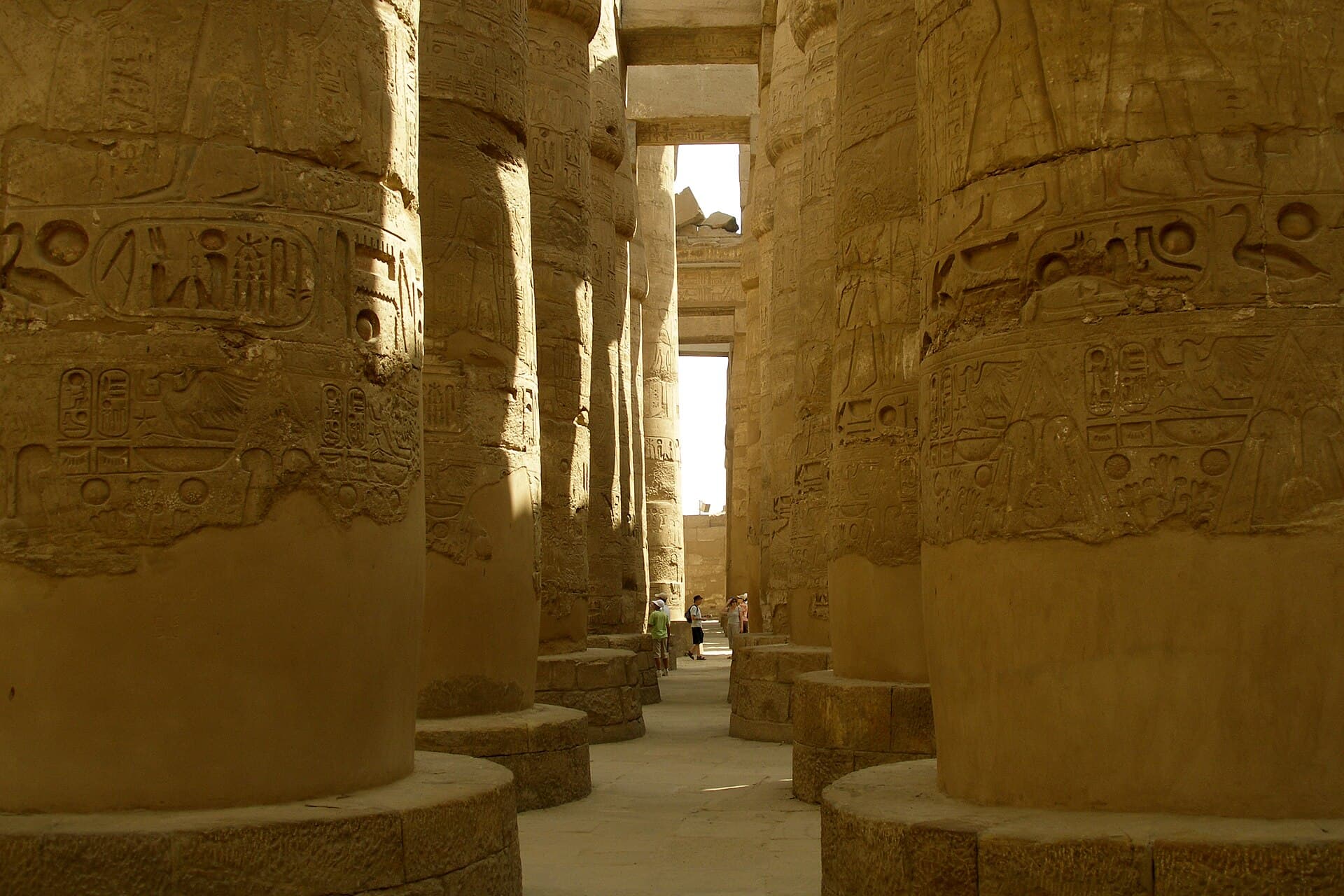
Sailing south from Luxor, the list runs like this. Karnak and Luxor Temple on the east bank, then the west bank in one compressed morning: the Valley of the Kings, where the standard ticket admits you to three tombs from the set open that day, Hatshepsut at Deir el-Bahari, and the Colossi of Memnon on the road in. Then the boat moves, and the middle of the itinerary is the part it does genuinely well.
Esna and its lock come first, then Edfu, reached from the mooring by carriage or minibus, among the best preserved temples in Egypt. Then Kom Ombo, which stands right on the bank, so you walk from the gangplank to the steps rather than arriving by coach. Those two are the reason the boat earns its place: by road from a hotel they are a long and joyless day, and from the water they are a morning each.
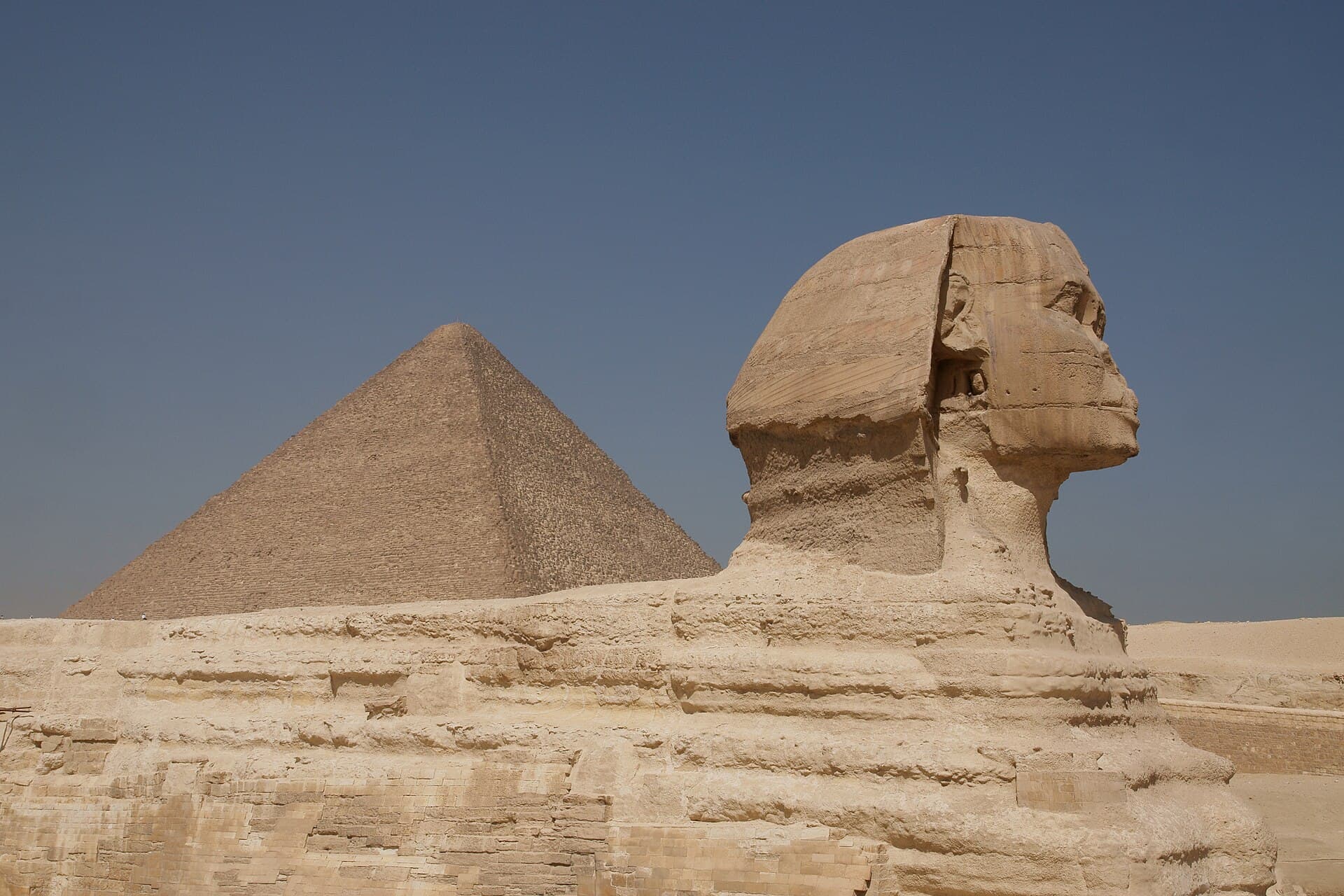
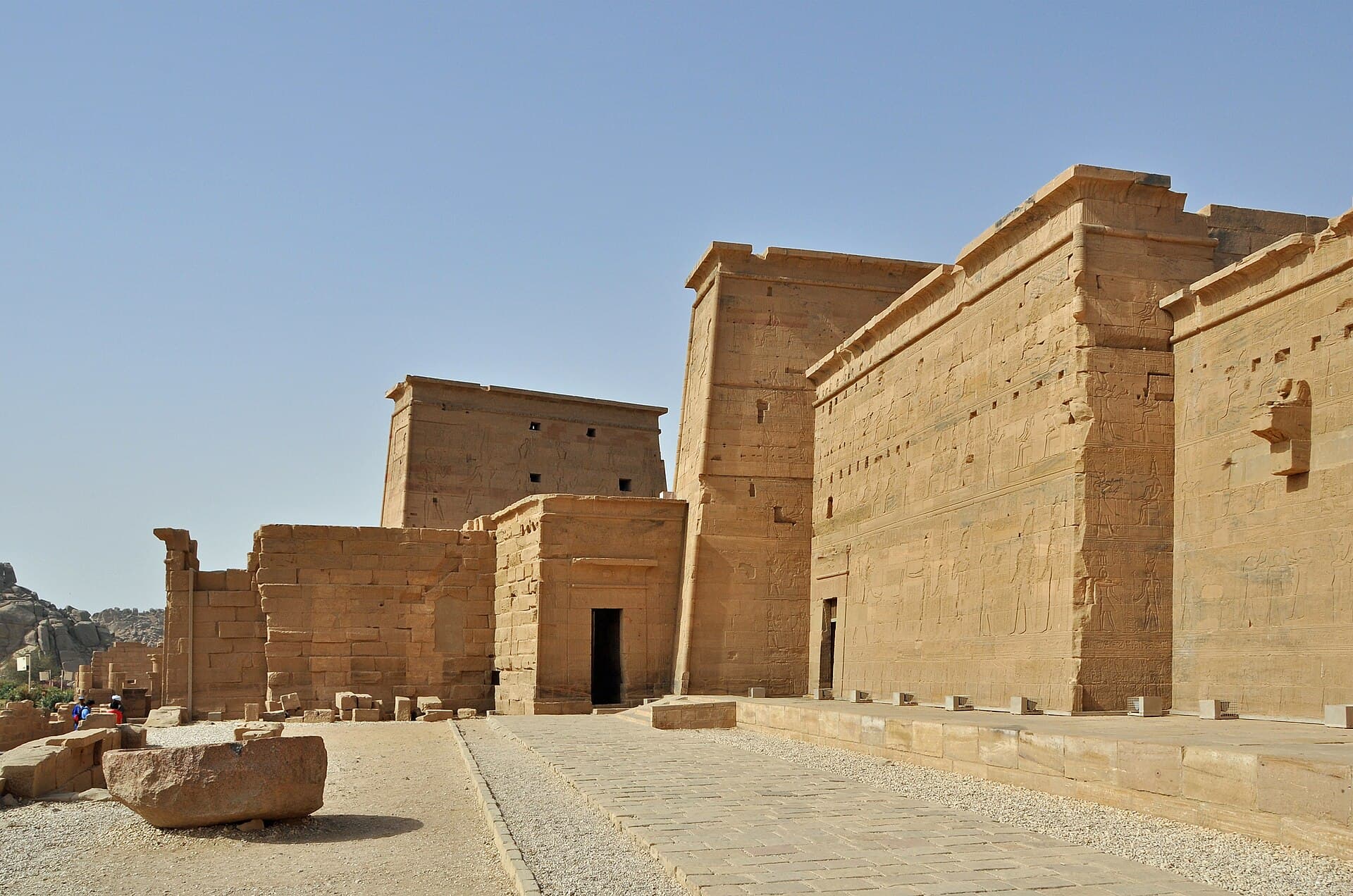
Aswan closes it with Philae, the temple of Isis taken apart and rebuilt on higher ground when the reservoir threatened to drown it, reached by a short motorboat hop. The High Dam viewpoint is usually attached, where fifteen minutes covers it, and often the unfinished obelisk still lying in the granite quarry where it cracked. Two great temples sit outside every cruise: Dendera and Abydos lie north of Luxor, off the sailing stretch entirely, and need a road day from Luxor however many nights you book.
Which direction to sail, and why upstream is the calmer week
Direction is not a detail, and it is the decision most people never consciously make. Southbound from Luxor to Aswan is the classic run and is normally four nights. Northbound from Aswan to Luxor is normally three and is typically 10 to 15 per cent cheaper on the same boat, because the current does the work and the legs between stops are quicker.
Southbound is upstream, against the flow, so there is more engine time and the sailing stretches are slower. That sounds like a fault and is actually the point: you get longer afternoons on deck watching the bank go past, and the deck time is what people describe a year later rather than the temples. It also puts the heavyweight sites at the start, while you are fresh, and finishes in Aswan, which is the calmest and prettiest of the three cities. Ending on the quiet note rather than the loud one is worth more than it sounds after a week of stone.
Northbound front-loads the quiet stretch and ends with the busiest, hottest sightseeing in Luxor when you are already tired of temples, then disembarks you at dawn. It is still the right choice in two cases: when budget is genuinely the deciding factor, and when you are carrying on to the Red Sea, since Luxor is about four hours by road from Hurghada and finishing there saves a backtrack. Our own four-day trip is the northbound one for exactly that reason, and it is the cheapest cruise we sell.
How many nights: three, four or seven
Start with how the nights are counted, because that is where most of the disappointment comes from. You board around the middle of the day and leave after breakfast, so four nights is closer to three usable days and three nights is closer to two, and part of each is spent moored rather than moving. The honest translation of the question is how many full days you want between Karnak at one end and Philae at the other, and the answer is one fewer than the number on the ticket.
Three and four are the two standard sailings, and they are the same temples in opposite orders at different prices. Four southbound is the better trip if you are choosing on the experience; three northbound is the better trip if you are choosing on the price or heading to the coast afterwards. Neither gives you enough of Luxor, which needs three full days to be done properly, or enough of Aswan, which needs two.
Seven nights on this route is almost always a different kind of boat rather than the same trip made longer. It normally means a dahabiya, where wind is slower than an engine and five nights is about the minimum the route takes. The extra nights buy sandbanks, villages, El Kab and Gebel el-Silsila and afternoons with nothing scheduled. They do not buy more temples, because the temple list between Luxor and Aswan does not get longer. If someone is selling seven motorised nights on the standard route, ask precisely what the extra nights contain before paying for them.
The boats: large cruiser, small ship, dahabiya, river-cruise ship
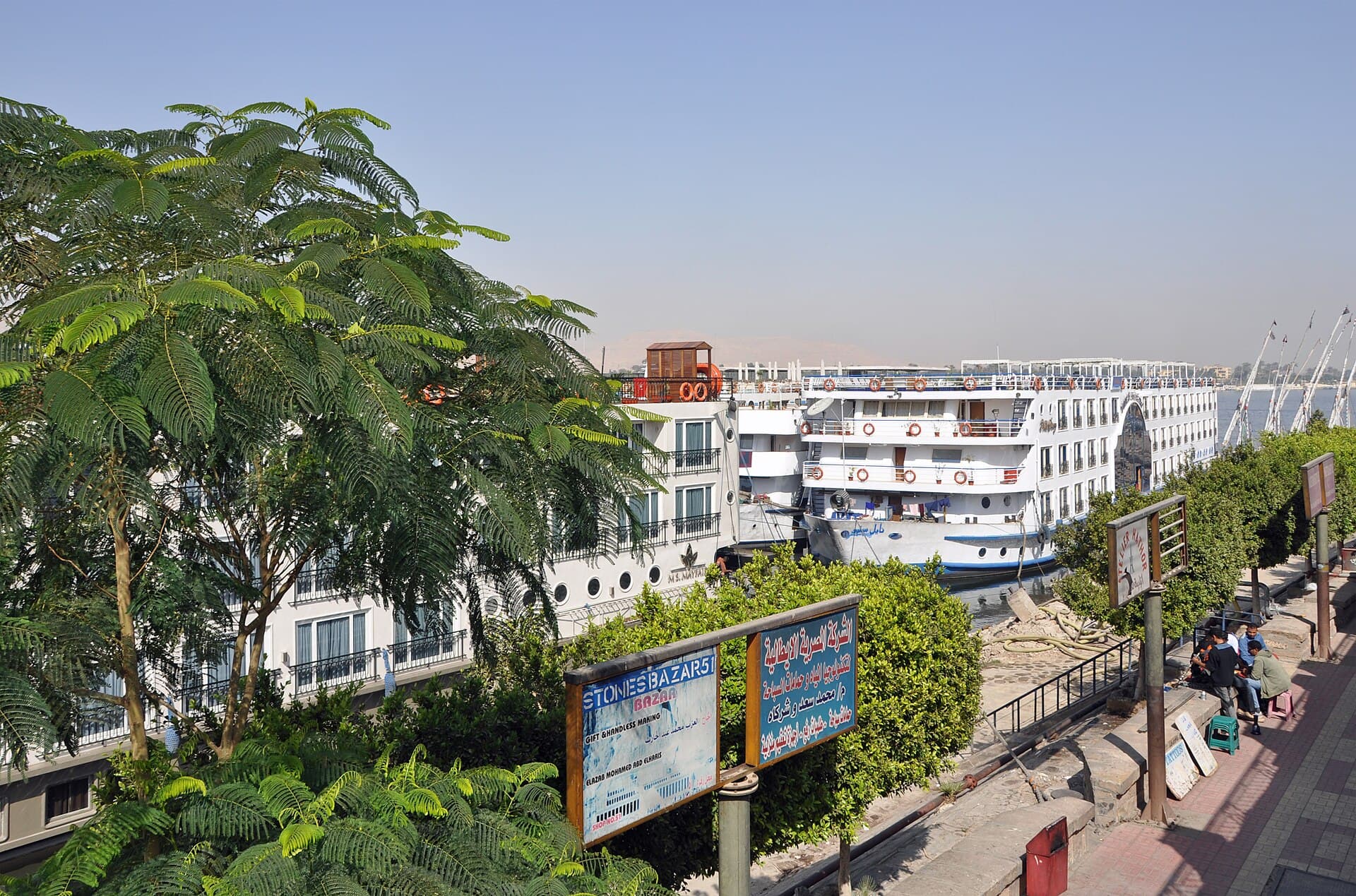
Four labels cover the fleet and operators use them loosely, so it is worth learning what each one means. A cruise ship is the standard Nile motor vessel and most boats on the run are this type. They carry a large number of passengers, have a sun deck and usually a small pool, and they vary enormously in condition behind identical-looking photographs. This is the workhorse category, it is where the value is, and it is also where the disappointments are.
A small ship is a motor vessel carrying far fewer passengers. You are paying for quieter decks and shorter queues at each temple, which matters more than it sounds: a full boat filing through Edfu behind one guide is a different morning from a group of a dozen. A dahabiya is the traditional shallow-draught sailing boat with a handful of cabins, slower and considerably dearer per night, able to moor beside a bank or an island rather than rafting three deep at a quay.
A river-cruise ship is a purpose-built vessel run by an international river-cruise line rather than an Egyptian hotel group, and it is almost always sold as a package with flights and land days attached. That last distinction has consequences: buying through the line abroad and buying a cabin locally are two different transactions, at different prices, with different recourse if something goes wrong. Be clear which one you are doing before you compare two numbers.
The honest trade-off between a big boat and a small one
A large motor cruiser gives you space, a pool, a lift on some vessels, reliable air conditioning and a price that a sailing boat cannot approach. It also gives you a buffet cooked for a room of mixed nationalities, an excursion group large enough to lose the guide in, and a mooring shared with three other hulls. None of that is a scandal. It is the shape of the product, and for a first visit with a fixed budget it is usually the right call.
A dahabiya gives you quiet, sandbank moorings, unscheduled afternoons and the two or three sites the big boats sail straight past. It also gives you smaller cabins, smaller bathrooms, stairs rather than lifts, usually no pool, and a tow when the wind drops. If your idea of a good holiday morning is a slow one, that is money well spent. If you judge a trip by how many sites you got through, it is money badly spent, and we would rather say so before you book than after.
The gap between a well-kept boat and a tired one in the same category is wider than the gap between three nights and four, and wider than the gap between four stars and five. Egyptian boat ratings are not comparable with hotel ratings elsewhere: the same five-star label covers vessels refitted last season and vessels with tired cabins and weak air conditioning. Given a choice between four nights on a tired boat and three on a good one, take the three.
Boats by name, and why a name is not a specification
People search for boats by name, and we keep pages on twelve of them because almost nobody outside the operators writes about them honestly. They span the whole range: the Oberoi Zahra and the Oberoi Philae, Sanctuary Sun Boat IV, the Farah, the Sonesta Star Goddess, the Movenpick Royal Lily, the Steigenberger Legacy, Alexander the Great, Nour El Nil at the sailing end, and Viking Osiris, Viking Aton and Viking Ra from the international river-cruise side.
What a name reliably tells you is the operator and the class of vessel. What it does not tell you is the current state of the cabins. Fleets are sold, refitted and repositioned, so a boat that was excellent three years ago may not be now, and this is exactly why our ship pages carry no cabin count, deck count, build year or named facility: we have no verified source for those, and they change. We would rather publish nothing than publish a number that has quietly gone stale.
Treat the brochure photographs as the oldest thing in the transaction. Ask when the pictures were taken, and ask when the vessel was last refitted and what the refit covered. If nobody will put a date on either, treat the refusal as the answer. And get the boat named in writing, because substitutions do happen on the river and the same category does not mean a similar week when the boats differ this much from one another.
What a day aboard is really like
The rhythm is the same on nearly every boat and it is built around the heat. You are woken early, usually between half past five and seven depending on the stop, and taken ashore before the sun is high. The morning is the sightseeing. You are back aboard for lunch, the boat sails through the afternoon, and dinner is on board. On a southbound leg those afternoons are long, which is the best part of the format and the reason to take the upstream direction if the river is what you came for.
The deck time is not filler. Buffalo on the bank, children waving from rowing boats, a heron lifting off ahead of the bow, the hard edge where the irrigated green stops and the desert starts. It is unhurried and slightly hypnotic, and it is what people remember when the temples have blurred into one another. It also means the sun deck is the room you actually paid for, which matters when you are choosing a month.
The parts nobody photographs are worth knowing too. Evenings on board tend towards a bar, a buffet and an organised entertainment slot that most people attend once. Wi-fi is patchy on the river and mobile signal comes and goes. The shopping stops built into cheaper itineraries are where the commission is the real product, and you are entitled to decline them. Say so early and pleasantly rather than on the third morning.
Nights, noise and sleep on the river
The Nile is flat and the boats are large relative to it, so seasickness is not the issue. Vibration, engine noise and generator hum are, particularly in cabins towards the stern and on the lower decks. If you sleep lightly, ask for a cabin forward and high up. That single request makes more difference to the week than the cabin grade does, and considerably more difference than an extra night.
Lower-deck windows also sit close to the waterline, which means less light and a view of whatever is moored alongside. At Luxor, Edfu, Kom Ombo and Aswan the boats raft two, three or four deep, and berths are allocated by the port rather than by your operator. You may walk through two other boats' lobbies to reach land, and your window may face a hull for an evening. Paying for more nights does not fix this; it gives you more evenings of it.
What is included, and what is not
The fare normally bundles the cabin, all meals from lunch on the day you board to breakfast on the day you leave, the guiding on board and the transfers between boat and site. On our own four-day trip the operator states plainly that the cruise sightseeing runs as a shared small group of roughly fifteen people, with the airport transfers private. That distinction between private transfers and shared excursions is one of the most commonly blurred lines in the whole category, so ask about it directly.
Three things are usually missing and all three grow with the number of nights. Drinks are rarely included, and bottled water on board costs a good deal more than it does ashore. Entrance fees are sometimes in the price and sometimes not, and the Upper Egypt sites are not cheap. Optional excursions sit outside the fare on almost every boat, including the balloon over the Luxor west bank and Abu Simbel from Aswan.
Tipping is excluded and in Egypt it is not optional in practice. Our own trip pages put it at roughly US$10 to 15 per person per day for the guide and about US$5 per person per day for the driver, with a crew box on the boat at US$5 to 10 per person per night, collected once at the end and split between the cabin stewards, waiters and deck crew. Budget it at the planning stage and bring small notes, because hunting for change otherwise becomes a daily chore.
What a Nile river cruise in Egypt costs, using real prices
Here are our own operator prices rather than a range invented for the page. All are in US dollars, per person, land only. The cheapest cruise we sell is four days from Aswan to Luxor, three nights on board, at US$840 on the standard plan aboard the MS Radamis II, US$1,425 on the comfort plan aboard the Movenpick Royal Lily, and US$2,135 on the luxury plan aboard the Sonesta St. George. Domestic flights are excluded on that one, which is a real cost to add.
The southbound version is five days from Luxor to Aswan, four nights aboard, from US$1,095 standard, US$1,880 comfort and US$2,825 luxury. The spread between those tiers is the honest answer to how much the boat matters: the same route, the same temples, the same guide structure, at rather more than double the price for the top plan. Whether that gap is worth it depends entirely on how much time you expect to spend on the boat rather than off it.
Combined trips are where most people actually land. Cairo, Aswan and a three-night cruise over seven days starts at US$1,890. Cairo, Luxor and a four-night cruise over eight days starts at US$2,135; nine days at US$2,385 and ten at US$2,635. Adding the Red Sea, eleven days with Cairo, a cruise and Hurghada starts at US$2,560 and thirteen days at US$2,945. The long trips run from US$3,160 for twelve days to US$3,910 for the sixteen-day Grand Tour, and US$3,985 for fifteen days with Alexandria added.
When to go, and which months are cheap for a reason
Upper Egypt runs around 41C from June to August, about 39C in May, roughly 35C in April, 34C in October, around 29C in March, and 23 to 25C from December through February. Those figures do more to shape a cruise than any other variable, and they are the reason boats are substantially cheaper in summer rather than a reason to congratulate yourself on a bargain.
October, November, February and March are the sensible months and March and October are the two where almost nothing is a compromise. December and January give the best walking weather in the country, and are also when the moorings stack up hardest, when the Esna lock queues are most tiresome, and when the boats worth being on sold out months earlier. Evenings on deck are cool enough for a jacket in midwinter, and packing only for a hot country is the standard winter mistake.
Summer is not automatically the wrong call, and we will not pretend otherwise. Afloat, the heat is bounded in a way it never is ashore: out early into full sun, then back behind glass and air conditioning. What you lose is the sun deck, which is unusable from mid-morning until late afternoon, and the deck time is a large part of what the fare bought. For travel between October and April, two to four months ahead is sensible, and December and January cabins often go by autumn.
How the cruise fits with Cairo
Almost nobody flies to Egypt for the river alone, and they are right not to. The standard shape for a first visit is eight days: two nights in Cairo for Giza and the Grand Egyptian Museum, a flight south, four nights on the river, and a night at the end to fly home. It does not feel rushed, and it leaves no room for Abu Simbel or the coast.
Ten days is the better version of the same trip. It buys Abu Simbel without an argument, a slower Luxor, and a morning that is not spent packing. If the cruise is the whole trip rather than part of one, five days covers the Luxor to Aswan stretch properly, and adding Cairo to that needs at least three more days. There is no version where you do both well in under a week.
People do search for a Nile cruise from Cairo, and it is worth being plain about what that phrase can honestly mean: a trip that starts in Cairo and includes a flight to the boat, which is the normal product, rather than a boat that sails from Cairo, which is not something the standard fleet does. The flight south takes care of the distance the river cannot.
Adding the Red Sea afterwards, and why the order matters
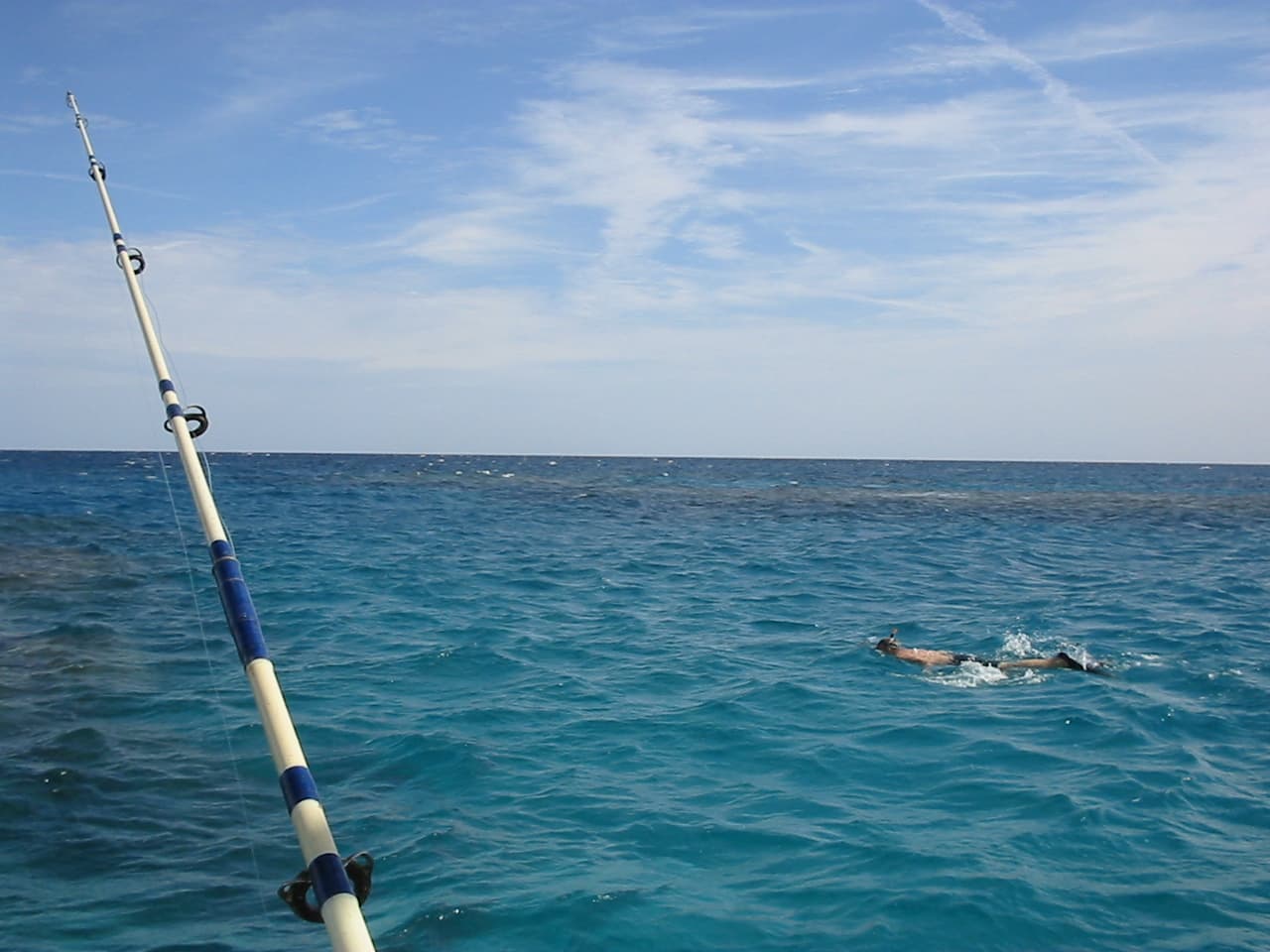
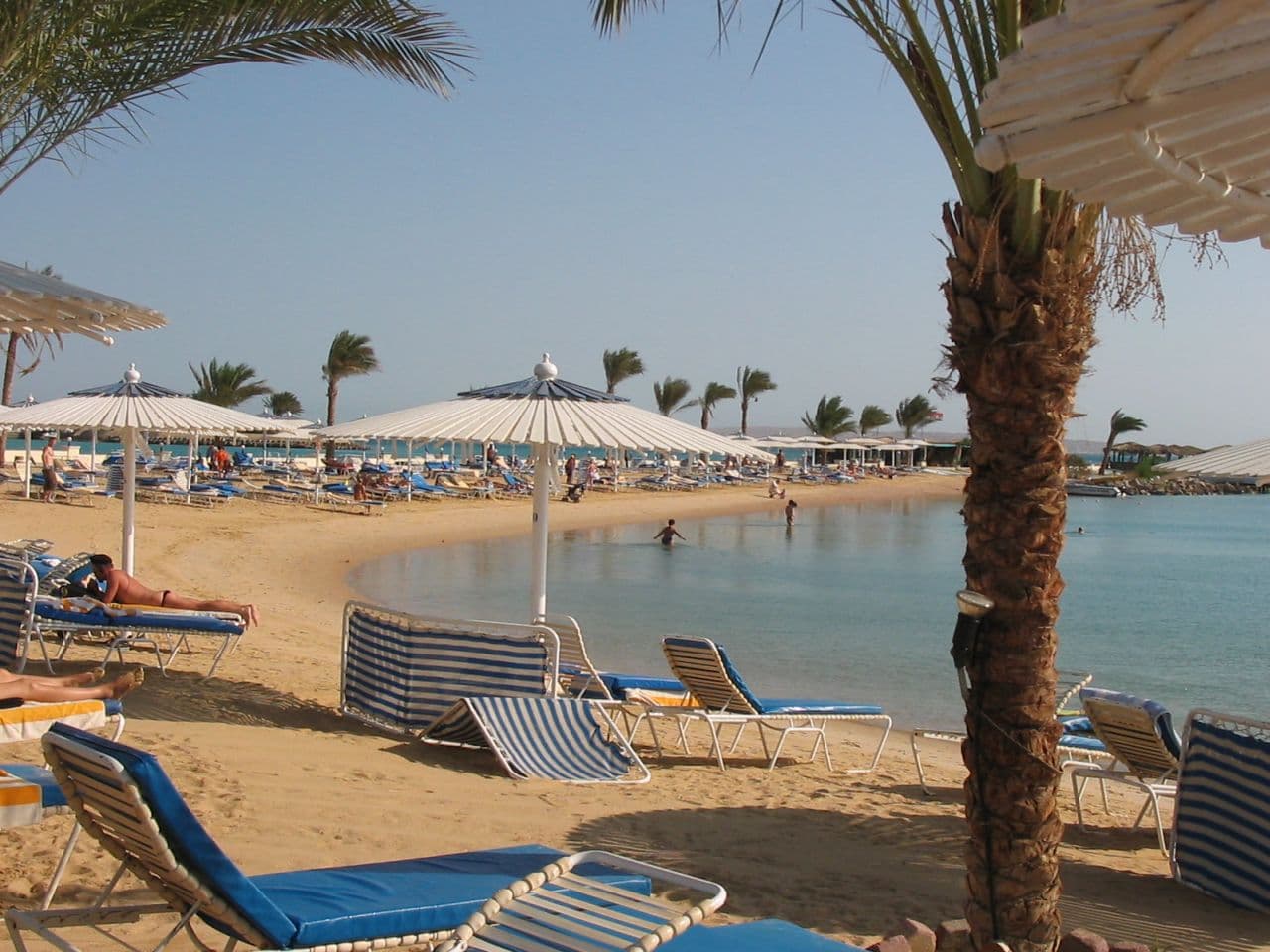
The Nile and the Red Sea is the most common two-week shape, and it works because the two halves are opposites: demanding cultural days first, then a week where the hardest decision is which boat to snorkel from. Luxor is about four hours by road from Hurghada, which is why that pairing sells so well and why the northbound cruise finishing at Luxor suits it.
Do the temples first and the coast afterwards, while you are fresh. Doing Karnak and the Valley of the Kings after a week of diving feels like a punishment, and the flat arithmetic of the transfer favours the same order. Our eleven-day Cairo, cruise and Hurghada trip starts at US$2,560 and the thirteen-day version at US$2,945; the ten-day cruise and Hurghada trip, without the full Cairo leg, starts at US$2,310.
One caution about combining. The coast is a genuinely good use of a week, but wind can flatten a day's boat diving on any part of it, so give the sea end enough nights that a blown-out morning is an inconvenience rather than the end of the trip. That argument applies to the Red Sea half, not the river half, where the wind is somebody else's problem.
Lake Nasser, which is a different cruise entirely
One more product is sold under the same word. Lake Nasser boats run between Aswan and Abu Simbel, usually three or four nights, calling at the Nubian temples moved when the reservoir filled: Kalabsha, Wadi es-Sebua and Amada. There are only a handful of boats and the traffic is light, which is the whole appeal. You may pass two others in a day.
Those nights are added to a Nile cruise rather than swapped for one, because the two fleets work different water on opposite sides of the High Dam. So it is three or four more nights plus the transfers on top of whatever you booked between Luxor and Aswan, and it approaches Abu Simbel from the water the way the temples were meant to be seen.
Most first-time visitors do not need it. Abu Simbel is a short flight or a long drive from Aswan and the day trip costs a fraction of the lake cruise. Take the lake boat if the lesser Nubian temples and the emptiness are genuinely the draw. Skip it if your time in Egypt is tight, which on a first visit it almost always is.
What can quietly eat a day of your cruise
The Esna lock is the first culprit. Boats pass through it between Luxor and Edfu, and at busy times the queue runs to a few hours. It rarely breaks an itinerary but it can swallow an afternoon, and on a three-night sailing an afternoon is a meaningful share of the trip. Nobody can schedule around it, which is one more argument for the longer of the two standard sailings if your days are tight.
Mooring is the second, and it is the one that most often surprises people, because no brochure photograph has ever shown four boats rafted together at Edfu. The third is the sailing itself. Occasionally a boat does not move at all, because of low water, a lock queue or a mechanical problem, and the operator takes the group to the sites by road instead. The itinerary survives; the sailing does not.
It is worth sitting with that for a moment, because it inverts the sales pitch. On the river, the temples are the guaranteed part of the week and the time on the water is not. If the sailing is the reason you are booking, the sensible hedge is a boat and an operator with a reputation to protect, not a longer itinerary.
Getting aboard, and who finds a cruise hard work
River boats are reached by gangplank, decks are connected by stairs rather than lifts, and at rafted moorings you cross other vessels to reach land. The temple approaches are sand and uneven stone. This makes almost every river boat difficult for a wheelchair user and hard work for anyone with limited mobility, and a few newer boats manage better than others.
Dahabiyas are harder on this front, not easier: small tenders for getting ashore, narrow side decks and steep companionways are part of what a sailing boat is. If steps are a real problem, the answer is not a shorter cruise. It is hotels in Luxor and Aswan with a car and a driver, which reach the same temples with none of the gangplanks, and a train or a short flight between the two cities.
Raise it at the enquiry stage, plainly, and you will get a real answer rather than a reassuring one. This is the single question where a vague reply should end the conversation, because the constraint is physical and no amount of goodwill on the day changes the shape of a gangplank.
Children on the river
The boat suits families better than a land tour does, for dull reasons rather than glamorous ones: you unpack once, and after a long hot morning the shaded deck and the air-conditioned cabin are a minute away rather than a drive. Temple fatigue also arrives faster for children than for adults, so three or four nights carries less risk than seven. The trip ends before the children do.
The stops divide neatly by age. Kom Ombo is the easiest win on the river, a few steps from the mooring with crocodile carvings and a museum next door. Edfu is a carriage ride that many children enjoy more than the temple at the end of it. Karnak and the Valley of the Kings are the hardest: enormous, unshaded, dusty, with steep tomb entrances, and two tombs is often plenty with a flagging child.
Two practical points. Not every boat has a pool, and the ones that do are often small and overlooked, so confirm it rather than assuming from a photograph. Railings vary from boat to boat and a small child can be somewhere they should not be in seconds, which is a rule to set on day one rather than a risk to discover on day two. And Upper Egypt at 41C is a bad idea with young children whatever the discount.
How to choose a boat: the questions that actually work
Ask when the boat was last refitted and what the refit covered. Ask how many passengers it carries and how large the excursion groups are. Ask which deck the cabin is on and whether it is forward or aft. Ask what drinks cost on board. Ask whether entrance fees are included and which ones. Ask whether the sightseeing is private or shared, in those words. Six questions, and the answers tell you more than any star rating on the page.
Then ask the two that separate a serious operator from a broker. Get the boat named in writing, and ask what happens if it changes. Ask who is actually operating the cruise, because the company taking your money is frequently not the company running the vessel, and knowing where the contract sits decides what recourse you have if something goes wrong.
Finally, be honest with them about yourself. Light sleeper, bad knees, travelling with a seven-year-old, here for the river rather than the temples, cannot face a fourth buffet: every one of those changes the recommendation, and none of them can be guessed. The guide and the boat shape the week more than the itinerary does, and an operator who asks you questions back is usually the one worth booking with.
Who should not book a Nile cruise
Anyone whose main interest is Luxor. The west bank rewards two full days and no cruise gives you that, because the boat sails when it sails. Hotels in Luxor and Aswan with a train or a flight between them cover the same two cities properly, and a day trip picks up Edfu or Kom Ombo if you want them. It is more effort and it is the better trip for a certain kind of traveller.
Anyone who dislikes a fixed timetable, anyone for whom stairs and gangplanks are a real obstacle, and anyone hoping to see Cairo or Abu Simbel from the water. And anyone booking a summer sailing mainly for the price who has not registered that the sun deck, which is the thing the format is actually selling, will be unusable for most of the day.
For everyone else the format holds up. It solves a genuinely awkward stretch of country, it puts two of the best temples in Egypt within a short walk of your bed, and it delivers a kind of unhurried afternoon that is difficult to buy any other way. That is a narrower claim than the brochures make, and it is still a good enough reason to book one.
Nile river cruise Egypt: the verdict
Book four nights southbound from Luxor to Aswan if you are choosing on the trip. Book three nights northbound if you are choosing on price or carrying on to the Red Sea. Spend the money you save on the boat rather than on extra nights, because the state of the vessel and the quality of the guide are felt every hour, and a fourth night is felt once.
Then add one night ashore in Aswan after the boat. Almost every cruise finishes there and almost everyone flies out the same morning, so their Aswan is a hurried Philae stop between disembarkation and the airport. One hotel night buys an unhurried afternoon on the water, an evening on the corniche, and Abu Simbel without a pre-dawn start pressed against a sailing schedule. It is the cheapest meaningful improvement available to this trip, and the one most people wish they had made.
Common questions
What is a Nile river cruise in Egypt, exactly?+
It is a boat working about 210 kilometres of river between Luxor and Aswan, with stops at Esna, Edfu and Kom Ombo in between. You sleep aboard, eat aboard, and are taken ashore by a guide each morning. Almost every Nile cruise sold anywhere covers that same stretch, so a more expensive boat is buying you a better cabin, a smaller group and a better guide rather than more river.
Which direction should a Nile cruise sail?+
Southbound from Luxor to Aswan if you can choose freely. It is normally four nights, it runs upstream so the afternoons on deck are longer, it puts Karnak and the Valley of the Kings at the start while you are fresh, and it finishes in Aswan, the calmest of the three cities. Northbound from Aswan to Luxor is normally three nights and typically 10 to 15 per cent cheaper on the same boat, and it suits anyone continuing to Hurghada afterwards.
How many nights do I need on the Nile?+
Three or four, and remember that you board around midday and leave after breakfast, so four nights is closer to three usable days. Seven nights on this route almost always means a small sailing dahabiya rather than a longer version of the same trip, because the temple list between Luxor and Aswan does not get longer. If you have one spare night in the budget, put it in a hotel in Aswan or Luxor rather than on the boat.
What does a Nile cruise in Egypt cost?+
Our cheapest is four days from Aswan to Luxor at US$840 per person, land only, on the standard plan, rising to US$1,425 and US$2,135 for the comfort and luxury plans on the same route. The southbound five-day version starts at US$1,095. Combined trips with Cairo start at US$1,890 for seven days, and adding the Red Sea takes an eleven-day trip to US$2,560. Domestic flights, drinks, some entrance fees and tipping sit outside those figures.
Is a dahabiya worth the extra money?+
Only if slow days are the point rather than a compromise. A dahabiya is a small sailing boat with a handful of cabins that can moor beside a sandbank instead of rafting three deep at a quay, and the extra nights buy village stops, El Kab, Gebel el-Silsila and afternoons with nothing scheduled. The cabins and bathrooms are smaller, there are stairs rather than lifts, most have no pool, and when the wind drops you get towed.
When is the best time for a Nile cruise?+
October, November, February and March, with March and October the two months where almost nothing is a compromise. December and January give the best walking weather but the worst moorings and the highest prices, and the good boats sell out months ahead. June to August runs around 41C in Upper Egypt and boats are cheaper for that reason: the heat is bearable on board, but the sun deck is unusable for most of the day.
Can I take a Nile cruise from Cairo?+
Not on the standard fleet. Cairo is off the route, because the barrages and shallow reaches north of Luxor make the run impractical for normal boats, and the occasional charters that do it are expensive. What is sold as a cruise from Cairo is a trip that starts in Cairo with a flight south to join the boat at Luxor or Aswan, which is the normal and sensible product.
What should I ask before booking a boat?+
When it was last refitted and what the refit covered, how many passengers it carries, how large the excursion groups are, which deck and which end the cabin is on, what drinks cost, and whether entrance fees and sightseeing are included and private or shared. Then get the boat named in writing and ask what happens if it is substituted, because that does occur and the same category does not mean a similar week.
Official sources
Entry rules, opening hours, security advice and exchange rates all move. Check them at the source, not here.
Written and checked by the Nile Trip Guide editorial team · Last reviewed . Entry rules, prices and opening hours change — check anything critical against the official sources linked on this page.
Plan this trip
Tell us your dates and we will price it
A real itinerary with real prices, usually within 24 hours. Nothing is booked and nothing is charged until you say yes.
Three nights sailing north from Aswan to Luxor, taking in Philae, Kom Ombo, Edfu, the Valley of the Kings and finally Karnak. Full board on board, and the sightseeing runs as a shared group of about fifteen.
Four nights sailing south from Luxor to Aswan: Karnak and Luxor temples on the first afternoon, the Valley of the Kings, Edfu, Kom Ombo and Philae. Full board throughout, with sightseeing in a shared group of about fifteen.