Luxor itinerary: day-by-day plans for 1, 2 and 3 days
The best Luxor itinerary puts the west bank first thing in the morning and the east bank in the late afternoon. Tombs and mortuary temples are on the west bank and get hot fast. Karnak and Luxor Temple are on the east bank and look best in low light or after dark. Two days in Luxor covers both banks properly. Three days adds the quieter sites and the dawn balloon. Below are plans for one, two and three days.
How to plan a Luxor itinerary: west bank early, east bank late
Luxor sits on both sides of the Nile. The station, the airport, the Luxor Museum and nearly every hotel are on the east bank, with Karnak and Luxor Temple. The tombs and mortuary temples are on the west bank: the Valley of the Kings, Hatshepsut's temple, the Valley of the Queens and Medinet Habu.
The tombs are cut into rock with no airflow, and they warm up with every group that passes through. So the west bank is a morning trip, finished by about noon. Karnak and Luxor Temple are open to the sky and take low afternoon light well. They belong to the late afternoon and evening.
In between, rest through the hottest hours. That gap is what makes the rest of the day work.
One day in Luxor
One day works if you choose hard. Cross to the west bank before it is light. The Valley of the Kings opens around 6am, and the first coaches arrive from about 8. Those two hours are the best in Luxor.
Use the standard ticket for three tombs, then go to Hatshepsut's temple. Stop at the Colossi of Memnon for a few minutes on the way back. Be across the river by noon.
Rest, then see Karnak from about 4pm for two hours or more. If you have energy left after dinner, walk to Luxor Temple, which is lit at night. What does not work is arriving at midday and going into the tombs at the hottest hour.
2 days in Luxor: both banks, done properly
Two full days is the working minimum, and it covers the core of Luxor without rushing.
Day one, the west bank. Valley of the Kings at opening. Three tombs on the standard ticket take about two hours, or two and a half with one extra tomb. Then Hatshepsut's temple, and the Colossi on the way back. Add Medinet Habu if you still have energy. It keeps colour on its walls and sees few groups. Back across the river by noon.
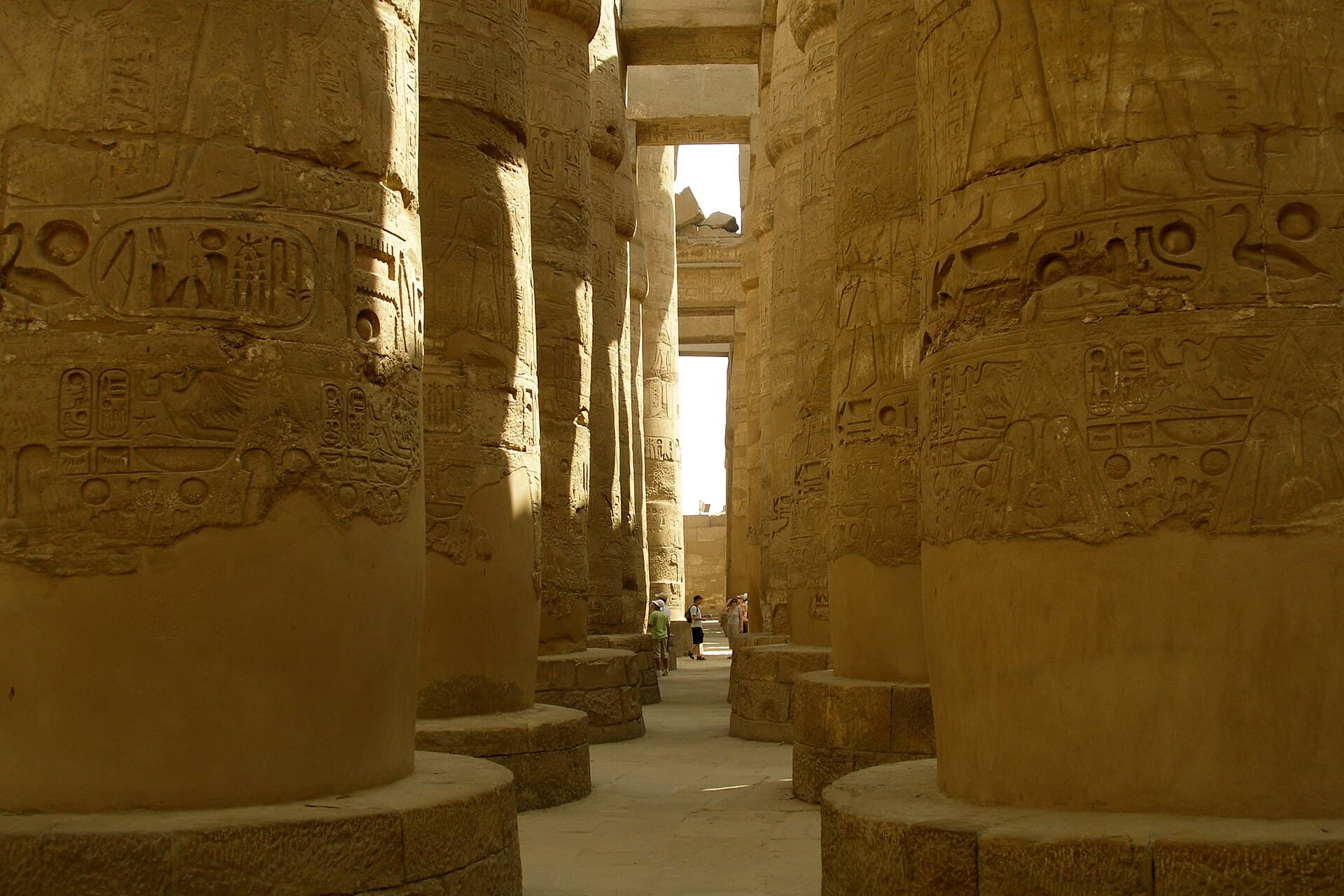
Day two, the east bank. A slow morning, maybe an hour in the Luxor Museum when the heat builds. Karnak from about 4pm for two to three hours, when the low light comes in between the columns. Dinner, then Luxor Temple after dark for about ninety minutes.
The car crossing uses the road bridge, several kilometres south of the centre, which takes 20 to 30 minutes each way. The public ferry crosses in a few minutes and lands near Luxor Temple.
Three days in Luxor: add the balloon and the quieter sites
Three days is the comfortable number. Keep the two-day plan and add three things.
First, the hot air balloon at first light on day one, before the tombs. Book it for your first morning, because flights are cancelled for wind often enough that you want a second chance.
Second, a third morning on the west bank: the Valley of the Queens, Medinet Habu if you skipped it, or the craftsmen's village at Deir el-Medina. Nefertari's tomb in the Valley of the Queens has its own, higher ticket and a visit of about ten minutes.
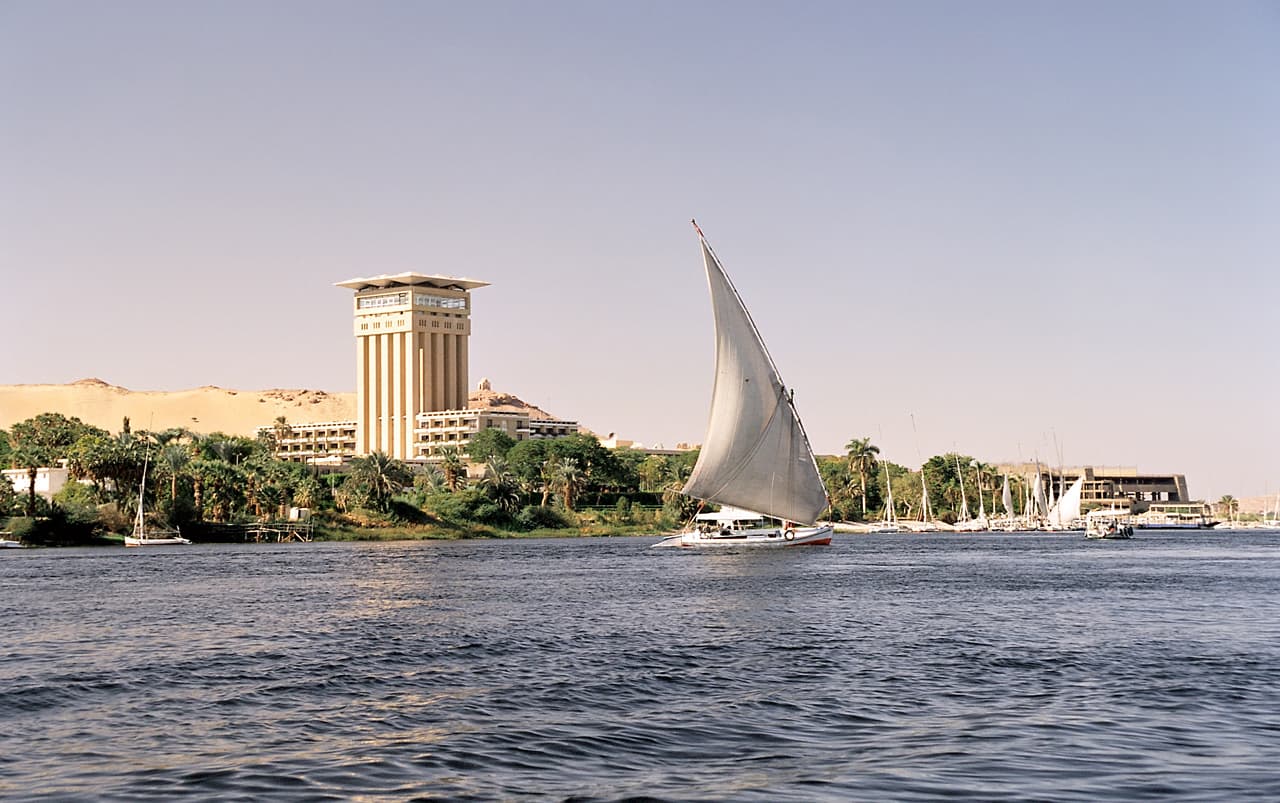
Third, an easy afternoon on the river. Take the public ferry, or hire a felucca for an hour or two. Agree the price and the time before you step aboard.
Four days or more: Dendera and Abydos
North of Luxor by road are two of the best-kept temples in Egypt. No Nile cruise reaches either. Dendera, the Temple of Hathor, is a little over an hour away and has painted ceilings. Abydos, about three hours away, holds the Temple of Seti I and its fine relief carving.
Together they make a full, long day. Go to Abydos first while you are fresh, then stop at Dendera on the way back. On a first visit with three days or fewer, skip them. With four days or more, they move near the top of the list.
Is the Luxor Pass worth it for your itinerary?
The Luxor Pass is a five-day ticket sold by the Ministry of Tourism and Antiquities. The Standard pass costs US$130 and the Premium pass US$250, which adds the tombs of Nefertari and Seti I. These prices come from a ministry document marked Last Update 2023, so confirm them at the counter.
On a one-day or two-day plan, single tickets usually work out cheaper. The pass starts to pay on three or more days with many sites, and especially if Nefertari and Seti I are both on your list. Our Luxor Pass page does the sum site by site.
When to go, and how the heat changes the plan
November to March is the best time. Typical daytime highs are around 23C in January and 28C in November, against 41C from June to August.
In summer the early start stops being about comfort. Temperatures in the Valley of the Kings pass 45C, so finish the west bank well before noon and do nothing outdoors until late afternoon. Carry more water than you think you need.
Hotel or Nile cruise: how your Luxor days change
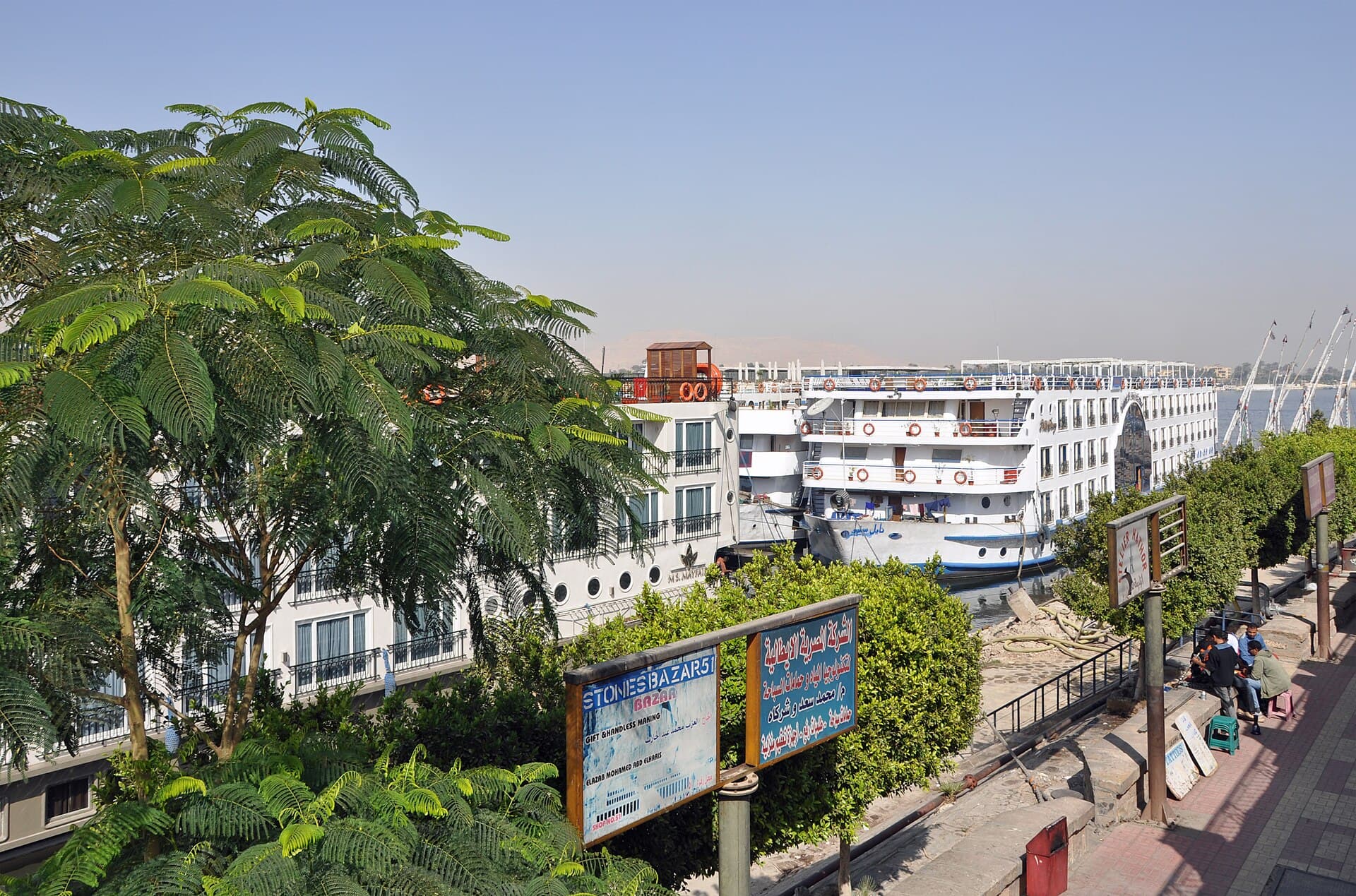
A Nile cruise gives Luxor one west bank morning and one east bank visit, on the boat's timetable and in a group. That covers the main sites. It leaves little time for the quieter ones.
A hotel night or two gives you the hour before the coaches and the evening at Luxor Temple. The usual answer is both: a short cruise, with a night or two on land in Luxor at one end.
Getting here is easy. From Cairo the flight takes about an hour. Aswan is about 215 kilometres south, by boat, train or road. Hurghada is about 290 kilometres east, roughly four hours by road.
Luxor itineraries on our tours
We sell the tours of one Egyptian operator, Memphis Tours. Prices are per person, land only.
Cairo and Luxor in five days, from US$1,480, flies you to Luxor for a west bank afternoon and an east bank morning. It is a short taste of Luxor, with flights included. The five-day Luxor to Aswan cruise, from US$1,095, gives Luxor two days at the start and then sails south.
For Luxor at a proper pace, the twelve-day Cairo, Luxor and Nile cruise starts at US$3,160. It adds two hotel nights in Luxor before the boat. One day covers the Valley of the Queens, Medinet Habu and the Ramesseum. Another covers Dendera and Abydos. On the five-day Cairo and Luxor trip and the twelve-day trip, the balloon is offered as a paid extra.
Common questions
How many days do you need in Luxor?+
Two full days covers both banks properly: one west bank morning and one east bank afternoon and evening. Three days is comfortable and adds the balloon and the quieter sites. Four or more makes Dendera and Abydos worth the drive.
What is the best 2 day Luxor itinerary?+
Day one, the Valley of the Kings at opening, Hatshepsut's temple and the Colossi, back by noon. Day two, Karnak from about 4pm, then Luxor Temple after dark. Rest through the middle of both days.
Should I visit the east bank or the west bank first?+
The west bank, early in the morning. The tombs have no airflow and heat up fast. Karnak and Luxor Temple look best in late afternoon light and after dark, so they come later.
Can you see Luxor in one day?+
Yes, if you choose hard: three tombs and Hatshepsut's temple before mid-morning, then Karnak from about 4pm. Add Luxor Temple after dinner if you have the energy. Skip everything else.
Which Valley of the Kings tombs are on the standard ticket?+
Three tombs of your choice from those open that day, and the selection rotates. Tutankhamun, Seti I and Ramesses V/VI each need their own ticket, bought at the same office.
When should I book the Luxor hot air balloon?+
For your first morning in Luxor. Flights are cancelled for wind often enough that you want spare mornings after it. The balloon takes off at first light, so it fits before the tombs without changing the rest of the day.
Is the Luxor Pass worth buying?+
Usually only for three or more days with many sites, or if you want both Nefertari and Seti I. Standard costs US$130 and Premium US$250, for five days. Confirm the prices at the counter.
Is Luxor better from a hotel or a Nile cruise?+
A hotel gives you the early hour and the evenings. A cruise gives you Edfu and Kom Ombo on the way to Aswan. Most people do best with both: a night or two in Luxor, then the boat.
Official sources
Entry rules, opening hours, security advice and exchange rates all move. Check them at the source, not here.
Written and checked by the Nile Trip Guide editorial team · Last reviewed . Entry rules, prices and opening hours change — check anything critical against the official sources linked on this page.
Plan this trip
Tell us your dates and we will price it
A real itinerary with real prices, usually within 24 hours. Nothing is booked and nothing is charged until you say yes.
Giza and the Grand Egyptian Museum, then a flight south for one night in Luxor covering both banks, and a flight back. Five days, two cities, both domestic flights in the price and every day guided privately.
The standard Cairo-and-cruise route with two extra nights in a Luxor hotel before boarding, which is what buys you the Valley of the Queens, Medinet Habu, the Ramesseum, and a day out to Dendera and Abydos.
Four nights sailing south from Luxor to Aswan: Karnak and Luxor temples on the first afternoon, the Valley of the Kings, Edfu, Kom Ombo and Philae. Full board throughout, with sightseeing in a shared group of about fifteen.